Susan Sontag
 USA
USA- Biography of Susan Sontag
- Exploring Avant-Garde Culture
- A Modern Classic
- A Unique Perspective
- A Search for Truth
Biography of Susan Sontag
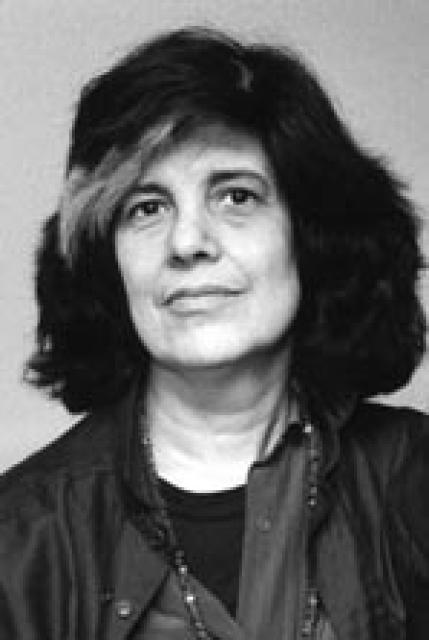
Susan Sontag, an American writer, was born on January 16, 1933, in New York. She studied literature and philosophy at Berkeley and Chicago, Harvard, Oxford, and Paris. Sontag made her debut in 1963 with the novel "The Benefactor," followed by the acclaimed volume of essays "Against Interpretation" in 1966. She became a prominent figure in the avant-garde culture of the 60s and 70s, exploring a wide range of themes and figures in her works.
Exploring Avant-Garde Culture
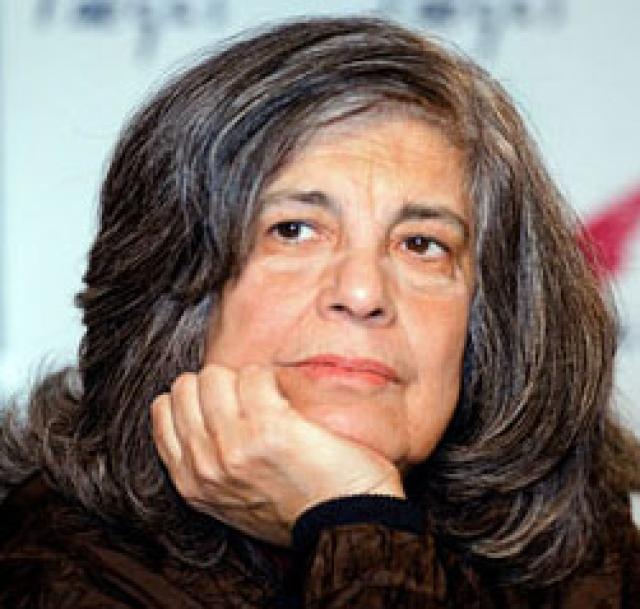
Sontag delved into the vibrant cultural movements of the time, including the theater of the absurd, camp, happenings, and pop art. She introduced American readers to influential European figures such as Walter Benjamin, Emile Cioran, Ionesco, Claude Levi-Strauss, and Georges Bataille. Sontag's writings and her engagement with diverse cultural phenomena earned her the title of "apostle of the avant-garde."
A Modern Classic
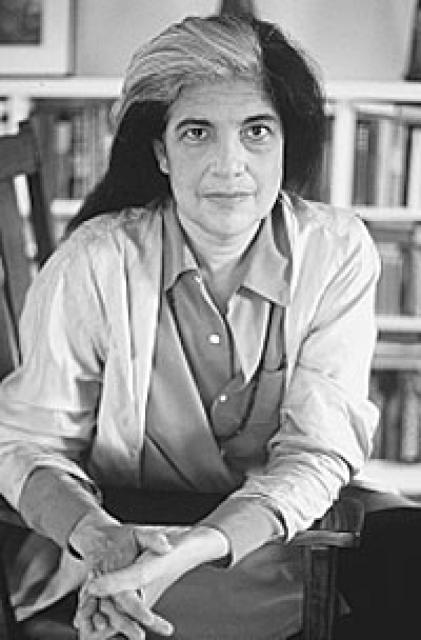
Susan Sontag's texts became modern classics, offering profound insights into various subjects. Her essays, such as "The Pornographic Imagination" from the book "Styles of Radical Will" (1969), "Fascinating Fascism" from "Under the Sign of Saturn" (1980), and "Notes on Camp" from "Against Interpretation" (1966), showcased her ability to explore unconventional artistic expressions and challenge societal norms. She believed that art should aim to expand life and counteract emotional anesthesia.
A Unique Perspective
Sontag was fascinated by non-written and non-verbal forms of creativity, often incorporating them into her work. She sought to combine action, happening in the present moment, with the personal, dramatic "I" that addressed both imaginary interlocutors and real audiences. Her unconventional style and exploration of marginal forms of expression pushed the boundaries of traditional writing.
A Search for Truth
In her essay on Simone Weil, Sontag reflected on the nature of truth and the human quest for a deeper sense of reality. She believed that while truth may provide balance, deviations and obsessions can also contain truth, restoring sanity and enriching life. Sontag's writing captured the essence of the modern era, constantly challenging perceptions and expanding the realm of imagination.