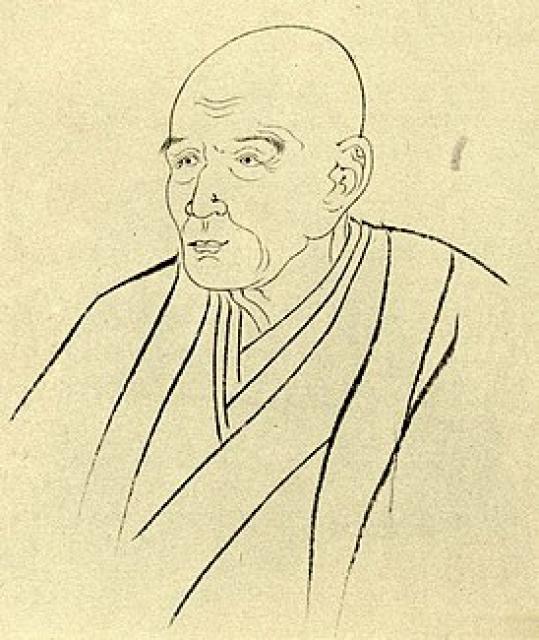
Takizawa Bakin
 Japan
Japan- Early Life and Background
- Education and Literary Beginnings
- Literary Breakthrough and Success
- Major Works and Legacy
- Later Years and Influence
Early Life and Background
Born Takizawa Okikuni on July 4, 1767, in the Fukagawa district of Edo, Kikyōtei Bakin came from a samurai family. His father, Takizawa Okiyoshi, served as a retainer to the hatamoto Matsudaira Nobunari, while his elder brother, Takizawa Okimune, was a renowned haiku poet.
Education and Literary Beginnings
At age 10, Bakin became the head of the Takizawa clan and began serving the Matsudaira family. However, he grew to resent his lord and at 14 left home to pursue a life in literature. Bakin studied haiku under the guidance of Koshigai Gozan and later enrolled at the private school of court physician Yamamoto Munehide, intending to become a doctor. He also attended Confucianism lectures by Kameda Hōsai.
Literary Breakthrough and Success
In 1790, Bakin wrote his first story, "The Double Kyōgen," which was published the following year. He continued to produce works in the genre of adult novels until 1797, but their financial returns were meager. Bakin thus supplemented his income with trading. In 1802, he traveled to Kyoto, where he met numerous Japanese authors. Inspired by his experiences, Bakin created the fantasy novel "Strange Tales of the Moonlit Ice," which brought him initial success.
Major Works and Legacy
By 1808, Bakin had published numerous works, including "Records of the Four Heavenly Kings," "Journey to the Three Countries in One Night," "The Tale of Eternal Good Light," "Snow in the Garden of Annotations," "Records of Lady Matsura Sayo's Stone," and "The Dream of Lovers Sakatsu and Hanshichi." The latter two stories were illustrated by renowned ukiyo-e artist Katsushika Hokusai. In 1814, Bakin began publishing his most famous work, the historical fantasy novel "The Tale of the Eight Dogs of the Satomi of Southern Awa," a project that occupied him for the next 28 years. The novel's immense popularity led Bakin to delve deeper into historical research.
Later Years and Influence
In 1839, Bakin's eyesight deteriorated, and he dedicated less time to writing and more to mentoring young writers. Kikyōtei Bakin passed away on December 1, 1848, and was buried at the Jinji-ji temple in Tokyo's present-day Bunkyo ward. His works remained widely read until the early 20th century and significantly influenced the development of modern Japanese literature.


