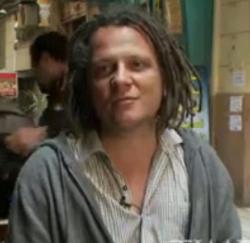
Terry Richardson
 USA
- Family background and first photographs
- A high-profile career
- Allegations and professional fallout
- A contested return to public work
Terry Richardson became one of fashion photography’s most recognizable and controversial figures. His flash-lit portraits and deliberately raw, sexually charged images appeared in major magazines, advertising campaigns, and music videos, shaping the visual language of the 1990s and 2000s. His influence was later overshadowed by years of allegations about his conduct on shoots, which he denied, and a sharp retreat by major publishers and fashion houses.
Family background and first photographs
Born in New York City, Richardson grew up in Los Angeles in a family connected to photography and the arts. His father, Bob Richardson, was a prominent fashion photographer. As a teenager, Terry became drawn to photography and the punk scene, first documenting the people and places around him before bringing that direct, informal approach into fashion work.
In the 1990s, Richardson’s images began appearing in publications such as The Face, i-D, and Arena. He developed a recognizable style built around direct flash, informal settings, and subjects who seemed to confront the camera without the polished distance common in traditional fashion imagery. The pictures could feel spontaneous and playful, while often pushing into deliberately provocative territory.
A high-profile career
By the 2000s, Richardson was working across fashion, celebrity portraiture, advertising, and music. He photographed figures including Barack Obama, Oprah Winfrey, Kate Moss, and Beyoncé, and shot campaigns for luxury fashion labels such as Gucci. His work for magazines including GQ and Vogue made him a fixture of popular culture, while books and exhibitions such as Terryworld brought his explicitly sexual imagery into galleries and art publishing.
Richardson also directed music videos, including Miley Cyrus’s “Wrecking Ball” and Beyoncé’s “XO.” His images were polarizing: admirers praised their energy and refusal of conventional polish, while critics argued that the sexualized aesthetic could make fashion shoots feel exploitative. Either way, his influence on the look of commercial photography was difficult to miss.
Allegations and professional fallout
Women began publicly alleging inappropriate sexual behavior by Richardson during shoots in 2001. Over the following years, multiple models described conduct they said was coercive or abusive. Richardson denied the allegations, saying the work was consensual and that he had not used professional opportunities to pressure anyone.
In 2017, after renewed reporting and wider attention to sexual misconduct in the fashion industry, Condé Nast said it would no longer commission his work. Major labels including Valentino and Bulgari also announced they had no plans to work with him. In 2023, two former models filed civil lawsuits accusing him of sexual assault during shoots years earlier. These were allegations in civil filings; they do not by themselves establish a finding of liability.
A contested return to public work
Although his visibility in mainstream fashion dropped, Richardson continued to work on projects outside major magazine commissions. In 2025, the magazine Arena Homme+ published a portfolio he had made as a tribute to filmmaker David Lynch, and a fashion label released a campaign photographed by him. The decision prompted criticism from people in the fashion world, while the magazine’s editor said the portfolio was intended as a personal tribute rather than an attempt to restore Richardson’s commercial fashion career.
Richardson’s legacy remains divided between the visual influence of his work and the allegations that changed how the industry viewed the photographer behind the camera. His career illustrates both the power of a distinctive image-making style and the limits of artistic reputation when questions of consent and professional power come to the fore.