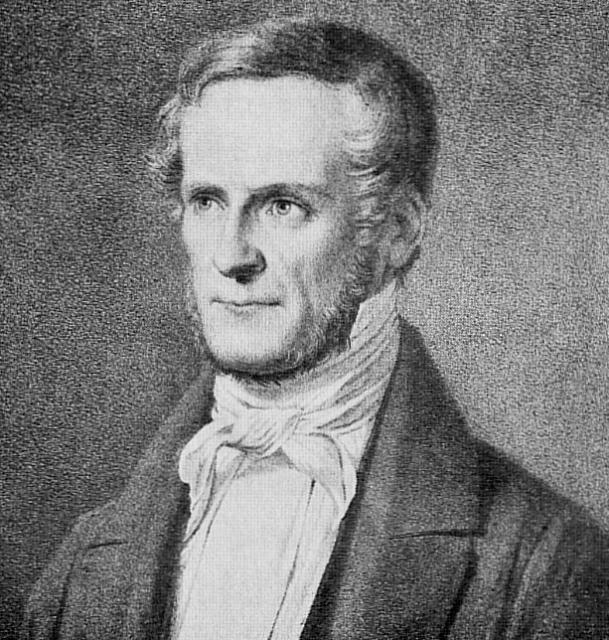
Theodor Friedrich Dethlof Kliefoth
- Lutheran Theologian and Ecclesiastical Leader
- Theological Pursuits
- Ecclesiastical Leadership
- Strict Adherence to Lutheranism
Lutheran Theologian and Ecclesiastical Leader
Martin Luther, a prominent figure in the Lutheran movement, dedicated his life to theology and ecclesiastical administration. As the Chairman of the Supreme Ecclesiastical Council in the Grand Duchy of Mecklenburg-Schwerin, he adhered steadfastly to the principles of Lutheran confessionalism.
Theological Pursuits
Luther's theological beliefs were deeply rooted in the teachings of Martin Luther. He embraced the principles of sola fide (faith alone), sola scriptura (scripture alone), and sola gratia (grace alone) as the pillars of Christian faith. His sermons and writings emphasized the importance of personal faith and the rejection of papal authority.
Ecclesiastical Leadership
Beyond his theological contributions, Luther played a significant role in the administration of the Lutheran Church in Mecklenburg-Schwerin. As the head of the Supreme Ecclesiastical Council, he oversaw the church's organization, finances, and liturgical practices. His unwavering commitment to Lutheran confessionalism guided his decisions and ensured the preservation of the church's doctrinal identity.
Strict Adherence to Lutheranism
Luther's theological and ecclesiastical stance was characterized by a strict adherence to Lutheran confessionalism. He believed that the Lutheran Confessions, such as the Augsburg Confession and the Formula of Concord, accurately represented the teachings of the Bible and were essential for maintaining the purity of the Lutheran faith. His unwavering belief in these confessions prevented him from engaging in theological compromise or ecumenical dialogue.