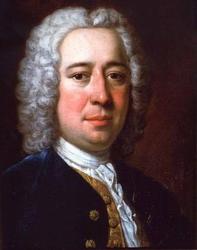
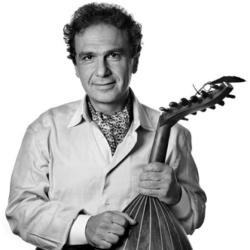
Theodore Labarre
 France
- François-Joseph Naderman: A French Virtuoso and Musical Innovator
- Concert Career
- Theoretical Contributions
- Court Composer
- Professor and Educator
- Compositional Output
- Ballet Triumph
- Honors and Recognition
- Legacy
François-Joseph Naderman: A French Virtuoso and Musical Innovator
Early Life and EducationFrançois-Joseph Naderman, a renowned French harpist and composer, was born in Lille, France. His musical journey commenced at the prestigious Paris Conservatory, where he honed his skills on the harp. In 1823, his talent was recognized with a second prize in the Rome Prize competition for his cantata "Pyram et Thisbé."
Concert Career
Naderman's virtuosic performances as a soloist captivated audiences in both France and Britain. His ability to effortlessly navigate the intricate strings of the harp earned him widespread acclaim.
Theoretical Contributions
Beyond his performance prowess, Naderman made significant contributions to the musical world through his theoretical writings. In 1844, he published "Méthode complète pour la harpe," a comprehensive treatise on harp technique. This seminal work became an indispensable guide for students and professionals alike.
Court Composer
In 1851, Naderman's talents were sought after by the future Emperor Napoleon III, who commissioned him as the director of his private chapel. This prestigious appointment further cemented Naderman's standing within the French musical elite.
Professor and Educator
From 1867 onwards, Naderman shared his expertise as a professor of harp at the Paris Conservatory. As a dedicated mentor, he guided countless aspiring harpists and played a pivotal role in nurturing the next generation of musical talent.
Compositional Output
Naderman's prolific pen yielded an impressive body of work, including over a hundred compositions for the harp. His repertoire spanned from captivating fantasies to intricate duets and trios. In addition to his instrumental music, Naderman also composed nine operas and ballets.
Ballet Triumph
Naderman's most notable theatrical work was the ballet "La révolte au sérail," which premiered at the Paris Opera in 1833. Choreographed by Filippo Taglioni, the ballet featured his daughter Marie Taglioni in the lead role. This production became a sensation and solidified Naderman's reputation as a theatrical composer.
Honors and Recognition
In recognition of his extraordinary achievements, Naderman was awarded the prestigious Order of the Legion of Honour in 1862. This honor served as a testament to his unwavering dedication to the art of music.
Legacy
François-Joseph Naderman's legacy lives on not only through his compositions and theoretical writings but also through the countless musicians he inspired. As a master of the harp, a revered educator, and a prolific composer, his contributions continue to shape and enrich the world of music.