Thomas Barbour
 USA
USABiography of Thomas Barbour
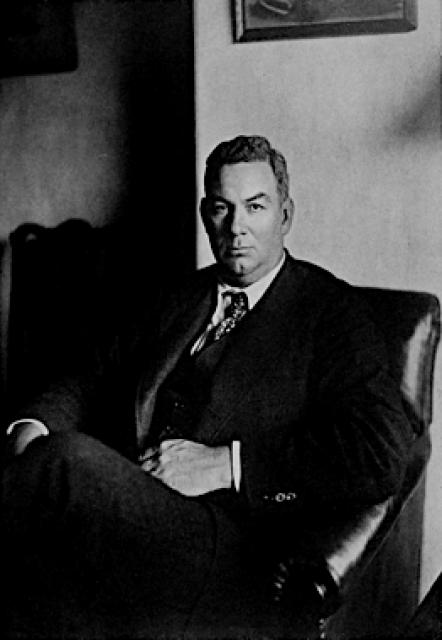
Thomas Barbour was an American naturalist, herpetologist, author, professor, and director of the Museum of Comparative Zoology at Harvard University. He was born in 1884 on Martha's Vineyard Island, Massachusetts, to Colonel William Barbour and Julia Adelaide Sprague. His father was the founder and president of a successful linen processing company with factories in the United States, Ireland, and Scotland. Thomas grew up in Monmouth County, New Jersey, where his younger brother, William Warren Barbour, began his political career and eventually became a senator.
Education and Career
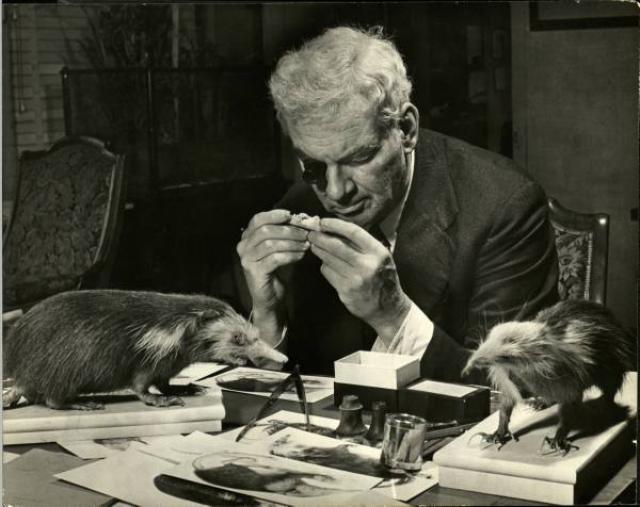
At the age of 15, Thomas visited Harvard University and was captivated by the Museum of Comparative Zoology. He decided to attend Harvard and studied under scientist and engineer Alexander Agassiz, son of the renowned naturalist, paleontologist, and glaciologist Jean Louis Rodolphe Agassiz. In 1911, after earning his bachelor's, master's, and doctorate degrees at Harvard, and publishing his doctoral dissertation, Barbour joined the university's faculty as a curator of reptiles and amphibians at the Museum of Comparative Zoology. In 1927, he became the director of the museum while serving as a professor of zoology. Although his primary interests were in reptiles and amphibians, Barbour also studied birds, insects, and had a particular fascination with butterflies. His interests were diverse, and he is considered one of the last general naturalists. He conducted scientific expeditions to Africa, Asia, North, South, and Central America. He visited Panama, Costa Rica, and Cuba at least 30 times, starting in 1908, and spent a significant amount of time at the Harvard Botanical Gardens that were established on the island of Cuba in the early 1900s. Barbour served as a trustee of these gardens from 1927 until his death in 1946. In his book "A Naturalist in Cuba," he wrote, "I suspect that I have been the only living American naturalist who has again and again visited all parts of this island, and not only because I regard myself as a foster son of Cuba, but also because I am a devoted friend of this land and its people." In addition to describing the island's flora and fauna, Barbour provided insightful observations on Cuban society and culture.
Contributions and Legacy
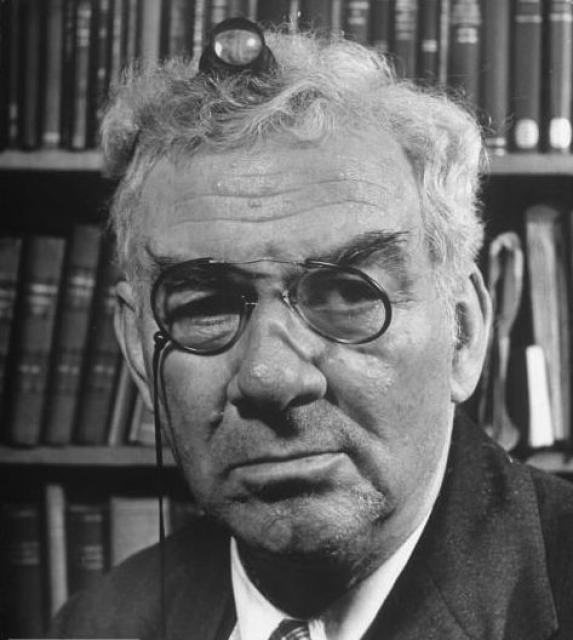
In 1923-1924, Thomas Barbour was one of the scientists and benefactors who founded the laboratory on Barro Colorado Island in Panama, which became the Smithsonian Tropical Research Institute. The island, once the peak of a large hill, is now located in Lake Gatun, created during the construction of the Panama Canal. Over 200 scientists from around the world conduct research there annually. Barbour authored over 400 scientific articles and several books, including his autobiography "A Naturalist on Freedom" (1943), "A Naturalist in Cuba" (1945), "A Naturalist's Notebook" (1946), and "This Vanishing Eden" (1944), which explores the animal and plant life of untouched corners of Florida.
Personal Life
In 1906, Thomas Barbour married Rosamond Pierce, who shared his interests. Their honeymoon lasted two years, during which they traveled to Dutch East Indies, Burma, India, Java, China, and New Guinea. Rosamond assisted Thomas in photographing animals and collecting specimens. Together, they had six children, who, in turn, blessed them with eleven grandchildren. The family lived in Boston and usually spent summers in Beverly Farms, Massachusetts.
Death
Thomas Barbour, who had long suffered from heart disease, passed away in 1946 after a brief illness.