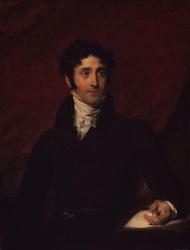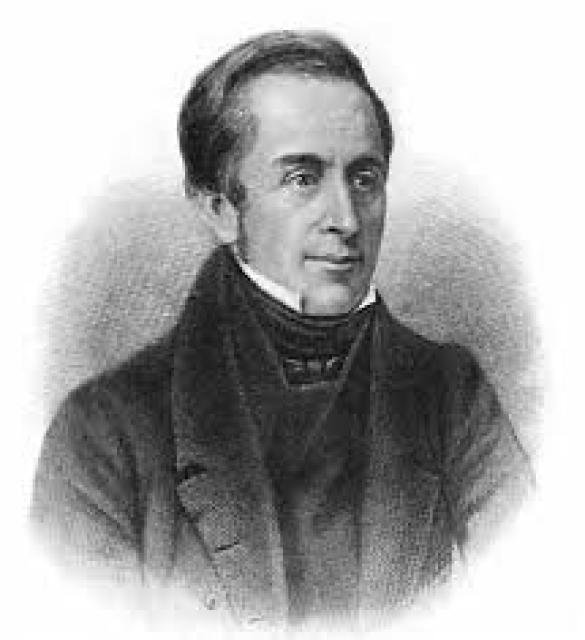
Thomas Hood
 Great Britain
Biography of Thomas Hood
Thomas Hood was an English poet, humorist, and satirist. He was born into a family of booksellers and publishers. Hood began writing at a young age. He gained recognition for his humorous and satirical poems, "Whims and Oddities". He also wrote novels and short stories, such as "National Tales" and "Talney Hall", but these works lacked originality and were weak in form. Hood would have been forgotten long ago, like many poets of his time, if he had not turned to social lyrics towards the end of his career.
Social Lyrics and Recognition
In the 1840s, class struggle between the bourgeoisie and the proletariat intensified. The working conditions were so harsh that even the bourgeoisie could not deny it. The radical urban intelligentsia considered it their duty to open the eyes of the wealthy to the "dire situation of the workers". Hood's social lyrics were characteristic of the sentiments of the intelligentsia of that time. His most famous works include "The Song of the Shirt," "The Lady's Dream," and "The Bridge of Sighs".
"The Song of the Shirt" depicted the arduous work of a seamstress in a dreadful impoverished setting. It gained immense popularity and was translated into multiple European languages. "The Lady's Dream" masterfully portrayed a lady's dream of witnessing the endless line of people tormented by backbreaking labor, which "instilled horror" in her, but only in the dream. In reality, the lady did not seem to realize that her silk dress was dyed with the blood of the workers.
Impact and Legacy
Although Hood's social lyrics were not revolutionary in nature, they still served as a protest, albeit a weak one, against the prevailing order of things. They contributed to the intensification of class struggle. Thomas Hood's ability to shed light on the hardships faced by the working class through his poetry and his willingness to critique societal norms have cemented his place in literary history.