Thomas Szasz
 USA
USABiography of Thomas Szasz
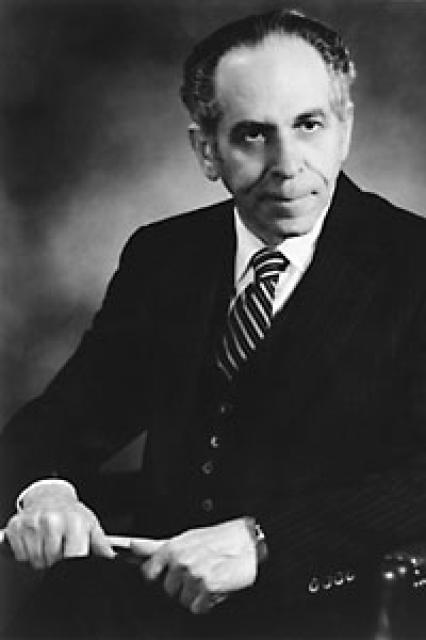
Thomas Szasz was an American psychiatrist and a prominent figure in the anti-psychiatry movement. He was born in Budapest, Hungary in 1920, the younger of two sons in a Jewish family. His father, Dula Schlesinger, was a lawyer engaged in private entrepreneurship in agriculture. In 1938, Szasz emigrated to the United States and graduated from medical school in Cincinnati in 1944.

After completing his medical education, Szasz underwent internships in internal medicine at Boston City Hospital and Cincinnati General Hospital. He then pursued residency training at the University of Chicago clinics and psychoanalytic training at the Chicago Institute for Psychoanalysis.
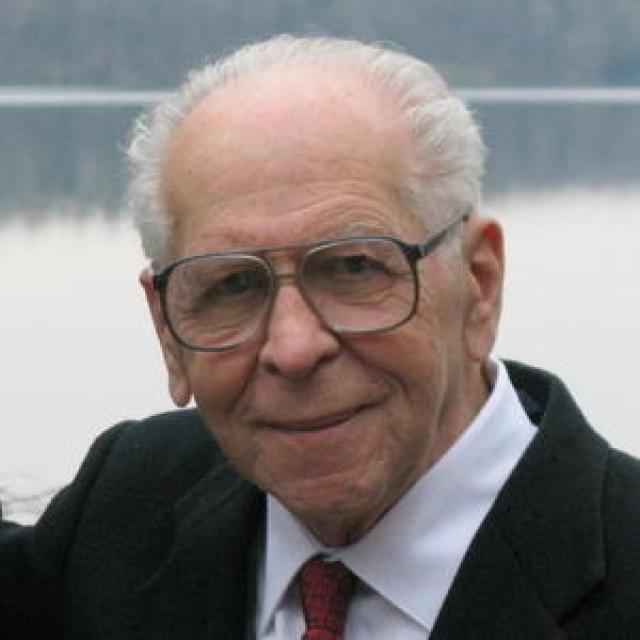
In 1954, during the Korean War, Szasz was called to military service and served in the United States Naval Reserve at the Bethesda Naval Hospital. From 1956, he worked in Syracuse, New York, where he had a private practice and also taught academic psychiatry at Syracuse University.
Szasz became widely known for his books "The Myth of Mental Illness" and "The Manufacture of Madness: A Comparative Study of the Inquisition and the Mental Health Movement," which presented arguments for which he is usually associated. His views on involuntary psychiatric measures have classical liberal roots and are based on the principles that every individual has the right to self-determination and should not be subjected to violence by others.
He criticized both non-socialist and socialist countries for using psychiatry in the interests of power and for imposing restrictions on the dissemination of narcotics. Szasz believed that principles of confidentiality, mutual agreement, and absence of state jurisdiction should apply to suicide, seeking medical assistance, use and distribution of drugs, and sexual relationships.
In 1973, the American Humanist Association named Szasz Humanist of the Year. For over fifty years, Szasz has been a prominent advocate for individual rights in psychiatry, defending classical liberal values of voluntary dialogue, lawful order, and an open society. He opposes psychiatric coercion and other suppressive measures carried out supposedly in the name of health protection.
To advocate for the importance of civil liberties, Szasz initiated the Thomas Szasz Award, which is annually given to individuals and organizations advocating for the protection of personal autonomy from state suppression and significantly improving the state of civil liberties. The recipient of the award receives a commemorative plaque and $1000. Previous winners include economist Robert Higgs, philosopher and psychologist Robert Spillane, activist against preferential rights Ward Connerly, creator of the computer program PGP Phil Zimmermann, law professor Richard Epstein, professor Irving Louis Horowitz, economist Peter Bauer, American Senator Ron Paul, psychiatrist Ron Leifer, and others.
In 2007, the Thomas Szasz Award for outstanding contributions to civil liberties was given to former Soviet dissident Vladimir Bukovsky, who spent many years in psychiatric prisons for resisting the brutal communist regime. In 1971, Bukovsky passed on 150 pages of documents reflecting the abuse of psychiatric institutions in the USSR for political reasons to the West. This information mobilized human rights defenders worldwide, including within the country, and led to his subsequent arrest later that year. In January 1972, Bukovsky was charged with defamation of Soviet psychiatry, contacts with foreign journalists, and the distribution of samizdat (Article 70 Part 1) and sentenced to seven years of imprisonment followed by five years of exile. During his imprisonment, Bukovsky, together with fellow prisoner-psychiatrist Semyon Gluzman, wrote a "Manual on Psychiatry for Dissidents."