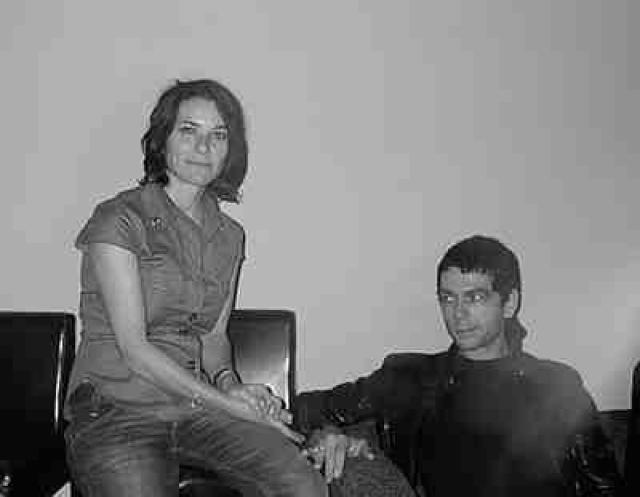
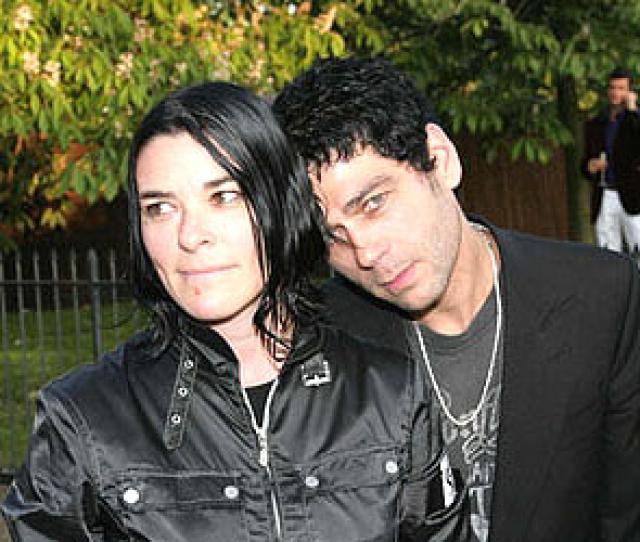
Tim and Sue Noble and Webster
 Great Britain
- Early Life and Education
- Artistic Style and Inspiration
- Early Exhibitions and Recognition
- Mature Works and Materials
- Personal Lives and Creative Partnership
- Legacy and Influence
Early Life and Education
Tim Noble was born in 1966 and Sue Webster in 1967. They met in 1986 as students at Nottingham Trent University's Fine Art department. The two shared common interests, especially in music, and became close friends. After graduating in 1989, they moved to Bradford, West Yorkshire, and worked together in a sculpture studio.

Artistic Style and Inspiration
In Bradford, Noble and Webster honed their unique style as artists. They were influenced by the Dutch artist Diet Wiegman's experiments with light and shadow during the 1980s. Their work focuses on the contrast between light and shadow, transforming ordinary objects into enigmatic images.
Early Exhibitions and Recognition
After graduating from the prestigious Royal College of Art in London, Noble and Webster's first exhibition was held at the Independent Art Space (ISA) in 1996, titled "British Rubbish." Their innovative approach to sculpture quickly gained recognition, as they juxtaposed seemingly random objects to create shadows that evoked striking figures on the wall.
Mature Works and Materials
As their careers progressed, Noble and Webster expanded their materials beyond scrap metal and rubbish to include more expensive sculptures made of materials like steel. Their experiments with light and shadow also evolved, resulting in renowned works such as the kinetic light sculpture "Sacrificial Heart" and the "Electric Fountain" in New York's Rockefeller Plaza.
Personal Lives and Creative Partnership
While their artistic partnership remained strong, Noble and Webster reportedly divorced some years ago, acknowledging that their marriage may have been a mistake. Despite their personal differences, they continue to work together creatively.
Legacy and Influence
The collaborative work of Tim Noble and Sue Webster is considered highly influential in contemporary British art. Their unconventional approach, which has been described as "punky" and combining punk art with light-sign artistry, has captured the imagination of audiences worldwide. Their work continues to inspire and intrigue, inviting viewers to question the boundaries between art and the everyday world.