Uho Paasikivi
 Finland
- Juho Kusti Paasikivi
- Early Career
- Prime Minister and Peace Negotiations
- Moscow Peace Treaty
- Post-World War II Era
- 'Paasikivi Line'
- President of Finland
- Legacy
Juho Kusti Paasikivi
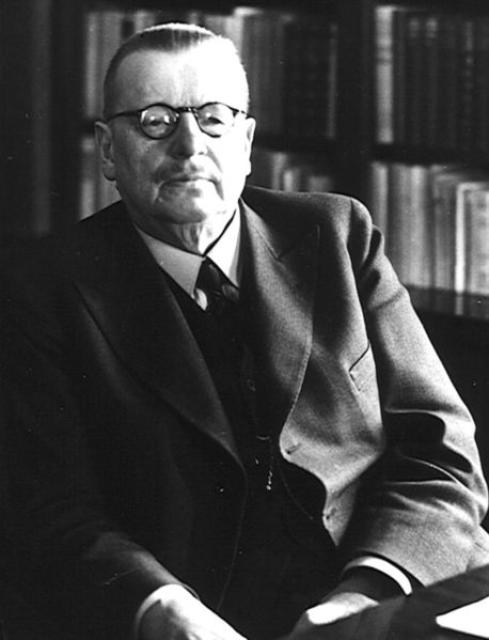
Juho Kusti Paasikivi (1870-1956) was a Finnish statesman and jurist who played a pivotal role in Finland's history.
Early Career
Paasikivi received a law degree and entered politics in 1903, joining the Old Finnish Party. He served as the Chief Director of the State Treasury from 1903 to 1914 and as General Director of Kansallis-Osake-Pankki from 1914 to 1934.
Prime Minister and Peace Negotiations
In 1918, Paasikivi served as the Prime Minister of Finland during a critical period following the country's declaration of independence. He also led the Finnish delegation in peace negotiations with the Soviet Union, resulting in the Treaty of Tartu in 1920.
Moscow Peace Treaty
During the Winter War of 1939-1940, Paasikivi signed the Moscow Peace Treaty, ending the conflict.
Post-World War II Era
In 1944, Paasikivi was reappointed as Prime Minister after the War of Continuation. He pursued a policy of restoring good relations with the Soviet Union, which included bringing a communist into the government for the first time in Finland's history.
'Paasikivi Line'
Paasikivi's foreign policy, known as the 'Paasikivi Line,' aimed to balance Finland's security interests with its relations with the Soviet Union.
President of Finland
In 1946, Paasikivi became the President of Finland, succeeding Carl Gustaf Mannerheim. He served in this role until 1956.
Legacy
Paasikivi's legacy lies in his ability to guide Finland through turbulent periods and secure its independence. He is remembered as a skilled diplomat and a key figure in shaping Finland's foreign policy.