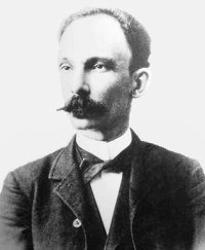
Uno Laht
 Estonia
- Uno Laht: Estonian Poet, Publicist, and KGB Agent
- Early Life and Education
- Military Service and KGB Career
- Literary Career
- Political Allegiance
- Artistic Legacy
- Later Years and Controversies
Uno Laht: Estonian Poet, Publicist, and KGB Agent
Uno Laht was an Estonian poet, prose writer, and publicist who played a significant role in Estonian literary and political life.
Early Life and Education
Born in 1924, Laht attended elementary school in Valga and later moved to Tallinn, where he continued his education at the 5th Real School and 7th Secondary School. In 1940, he joined the Estonian Komsomol, the youth organization of the Communist Party.
Military Service and KGB Career
During World War II, Laht joined the Estonian Rifle Corps and fought as a mortar platoon commander. He was severely wounded near Velikiye Luki and evacuated to the rear. After recovering, he studied English at Kazan University and later attended courses for Komsomol workers in Pushkino.
From 1944 to 1946, Laht worked as an operative for the NKGB (predecessor of the KGB) in the Estonian SSR. He participated in operations against the "forest brothers," anti-Soviet guerrillas who resisted Soviet occupation.
Literary Career
After his KGB service, Laht worked as a journalist for various newspapers, publishing feuilletons, essays, short stories, and poems. In 1951, he joined the Estonian Writers' Union and became a poetry consultant. His writing often featured political satire and criticism of Estonian leadership and society.
Political Allegiance
Laht joined the Communist Party in 1953 but left in 1986. He later rejoined in 1992. His political views shifted over time, but he remained a controversial figure throughout his career.
Artistic Legacy
Uno Laht's literary style is characterized by its complex imagery and intellectual depth. He is best known for his political satire and his libretto for the opera "Iron House" by Eino Tamberg. He also translated poetry and prose from English and Russian.
Later Years and Controversies
After retiring from the KGB, Laht continued to collaborate with the agency and participated in special operations abroad. He was a member of the Estonian Anti-Fascism and Inter-Ethnic Hostility Association and published articles accusing Estonia of historical revisionism and crimes against humanity committed by the Omakaitse paramilitary organization.
In 2005, Laht denied that the Soviet invasion of Estonia in 1940 was an occupation, claiming that Estonia had requested its incorporation into the USSR. This statement sparked controversy and further divided public opinion about him.
Uno Laht passed away in 2008, leaving behind a complex and enigmatic literary and political legacy.