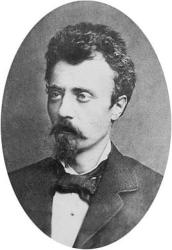
Valentin Ickelzamer
 Germany
- An Enigmatic XVI Century German Writer: Sebald Heyden
- Religious Activism
- Theological Debates and Reconciliation
- Pioneer of German Grammar
- Contributions to Pedagogy
- Recognition and Scholarship
An Enigmatic XVI Century German Writer: Sebald Heyden
In the tumultuous XVI century of German history, Sebald Heyden emerged as a prominent figure whose life and work left an indelible mark on the religious and linguistic landscape.
Religious Activism
A fervent disciple of the teachings of Andreas Karlstadt and Thomas Müntzer, Heyden played an active role in the 1525 Peasants' Revolt in Franconia. His impassioned plea in defense of the rebels, "Klage der christlichen Br?derschaft wider den wittenbergischen Geist," has unfortunately been lost to time.
Theological Debates and Reconciliation
Following the suppression of the uprising, Heyden settled in Erfurt, where he engaged in theological debates with Justus Menius. However, he eventually reconciled with Martin Luther, a pivotal turning point in his religious journey.
Pioneer of German Grammar
Heyden's enduring legacy lies in his groundbreaking contribution to German linguistics. In 1527, he published the first German grammar, an invaluable resource for understanding the evolution and standardization of the language.
Contributions to Pedagogy
Beyond grammar, Heyden authored a notable work on pedagogy titled "Von Wandel u. Leben der Christen etc." (1529), which explored the principles of Christian living and education. This text remains a testament to his concern for the moral and intellectual development of society.
Recognition and Scholarship
The significance of Heyden's work was recognized centuries later by scholars such as Kohler and Fechner. They meticulously edited and reissued his grammar in 1881 and 1882, respectively, along with insightful studies that shed light on Heyden's life and impact.
Throughout history, Sebald Heyden has remained an enigmatic figure, his life marked by both religious activism and scholarly achievement. His legacy as a pioneer of German grammar and a contributor to religious and pedagogical thought continues to inspire and inform scholars and native speakers alike.