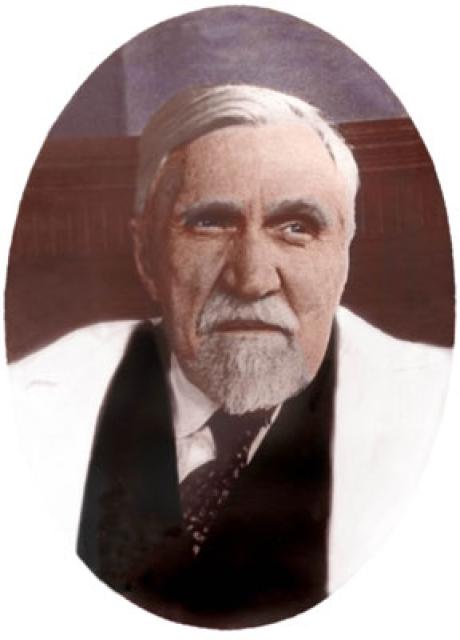
Vasiliy Gilyarovsky
Early Life and Education
V.A. Gilyarovsky, a renowned Russian and Soviet psychiatrist, was born in 1899. He graduated from Moscow University's Medical Faculty in 1899.
Medical Career
From 1899 to 1902, Gilyarovsky served as a resident at Moscow University's Nervous Diseases Clinic under A.Y. Kozhevnikov. From 1902 to 1903, he worked as a resident at the psychiatric hospital in Kharkov.
From 1903 to 1911, Gilyarovsky was a senior resident at Moscow's Central Reception Center for the Mentally Ill. From 1911 to 1920, he held positions as both a resident and prosector at Moscow's Preobrazhenskaya Psychiatric Hospital.
Academic Contributions
Concurrent with his clinical work, Gilyarovsky became a senior assistant at the psychiatric clinic of Moscow Higher Women's Courses (later transformed into the medical faculty of 2nd Moscow State University) from 1915 to 1923. During World War I, he established a shelter in Moscow for mentally ill refugee children.
From 1923 to 1952, Gilyarovsky headed the Department of Psychiatry at the medical faculty of 2nd Moscow State University (later 2nd Moscow Medical Institute). Simultaneously, from 1920 to 1931, he served as the chief physician and scientific director of the Don Psycho-Neurological Clinic (now Z.P. Solovyov Moscow Specialized Clinical Hospital No. 8).
From 1934 to 1936, Gilyarovsky directed the psychiatric clinic at the All-Union Institute of Experimental Medicine in Moscow. From 1937 to 1941, he was a consultant at the Sergievskaya Clinical Institute of Forensic Psychiatry.
Leadership Roles
In 1944, Gilyarovsky established the Institute of Psychiatry of the Academy of Medical Sciences (RAMN), becoming its director until 1952. He continued to serve as deputy director from 1952 to 1959.
Awards and Honors
Contributions to PsychiatryGilyarovsky made significant contributions to the field of psychiatry:
Developed a theory of catesthetic delusions, demonstrating the potential for delusions to arise from abnormal sensations.
Created the concept of pseudo-organic dementia as a result of persistent "inhibition" of brain activity.
Studied deafness caused by concussion during World War II and developed a pathogenesis and therapy for the condition.
Promoted the use of sleep therapy, malaria therapy, and insulin shock therapy for the treatment of mental illness.
Conducted research on child psychiatric disorders and contributed to the development of a preventive approach, focusing on both severe psychoses and "borderline conditions" in adults and children.
Pioneered the use of electrosleep as a treatment method for nervous and mental disorders.
Implemented трудотерапия (labor therapy) in the treatment of mental illness at the Solovyov Hospital in 1920.
Contributed to the understanding and treatment of stuttering, recognizing its early onset and the importance of addressing both psychological and physical factors.
Legacy
V.A. Gilyarovsky's work laid the foundation for the modern understanding and treatment of a wide range of psychiatric conditions. His contributions to the field continue to be highly influential in shaping the discipline today.


