Veikko Johannes Hakulinen
 Finland
- Biography of Veikko Hakulinen
- Training and Preparation
- Technique and Strategy
- Training Intensity
- Ski Maintenance
- Nutrition and Recovery
- Keeping a Training Diary
Biography of Veikko Hakulinen
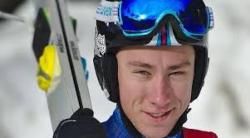
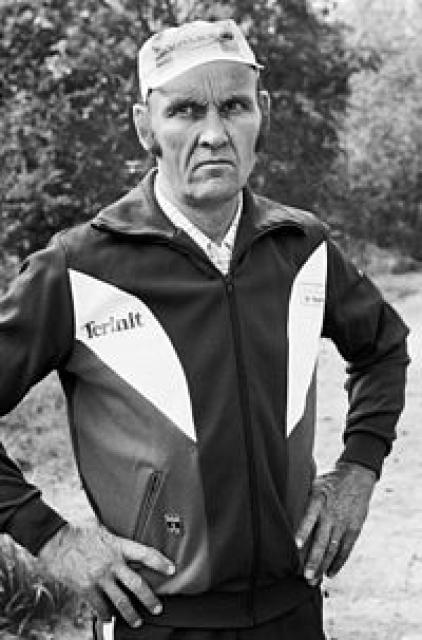
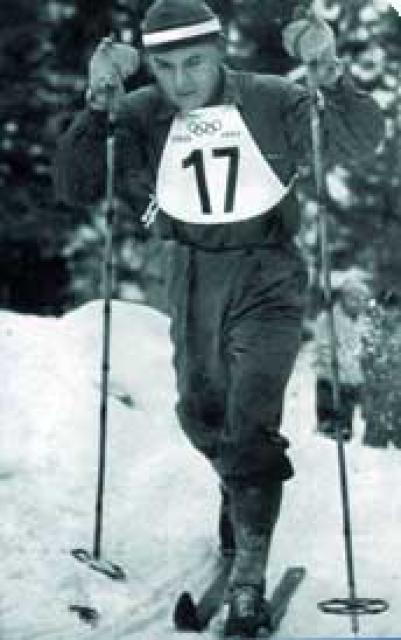
Veikko Hakulinen is a Finnish skier and a three-time Olympic and World Champion in cross-country skiing. He has won gold medals in the 5km and 30km events at the 1952 and 1956 Olympics. Hakulinen stands at a height of 173cm and weighs 66kg, with a resting heart rate of 40.
Training and Preparation
In his book "Veikko Hakulinen - The Lord of Skiing," Hakulinen emphasizes the importance of year-round training for achieving high results. During the summer months, he engages in activities such as running, swimming, and orienteering, but without excessive stress. In the autumn, his training mainly consists of running and walking, covering distances ranging from 1230km to 1500km. He advises against excessive training at the beginning, stating that a greedy start will always have negative consequences during the winter season.
Technique and Strategy
Hakulinen believes that running technique is a highly individual matter and that he found his optimal style through self-discovery. He focuses on developing speed and efficiency in overcoming uphill sections, taking short strides on steep slopes while ensuring that his heel does not swing too high after each push. He also uses slight changes in the profile of the course to increase his speed.
Training Intensity
During the winter training sessions, Hakulinen pushes himself to the point of exhaustion, never sparing any effort. He advises young athletes to avoid avoiding difficulties during training, as it ultimately leads to self-deception.
Ski Maintenance
Hakulinen believes that ski waxing plays a crucial role in competitions and stresses the importance of mastering this skill oneself, without relying on external assistance. He advises carrying spare wax, a scraper, and cork at all times. Additionally, he emphasizes the significance of a proper warm-up before races, which is equally important as ski waxing. He recommends performing a warm-up routine for 10-15 minutes until a light sweat is achieved.
Nutrition and Recovery
Hakulinen suggests consuming food during 30km and 50km races at regular intervals, starting every 8km at the beginning and increasing frequency as the finish line approaches. He recommends different drinks and liquids at various stages, including coffee, tea, bilberry juice, and mixtures containing salt. Prior to a marathon race, he consumes light meals for 2-2.5 hours, but the day before the race, he eats more intensively. After completing a race, Hakulinen rests for 2-3 hours before having a meal.
Keeping a Training Diary
For over 15 years, Hakulinen has maintained a detailed training diary, which helps him prepare for each new season.