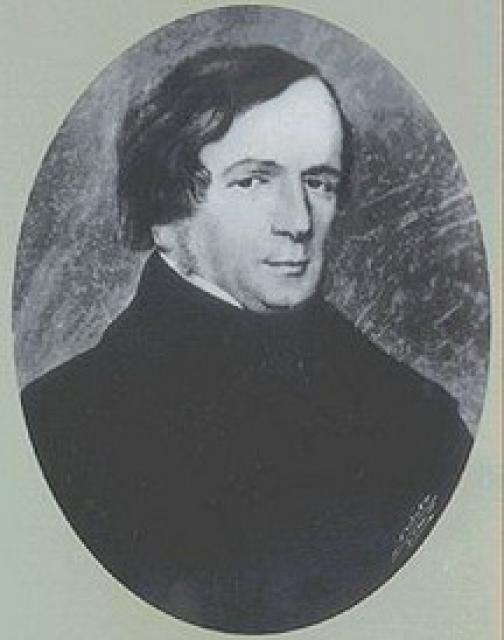
Vincenzo Gioberti
 Italy
Italy- Early Life and Education
- Theological and Philosophical Career
- Political Leadership
- Later Life
- Philosophical Contributions
- Influence on Italian Thought
Early Life and Education
Vincenzo Gioberti was born in Turin, Italy, in 1801. He was ordained as a priest in 1822 and graduated from the Faculty of Theology in 1825.
Theological and Philosophical Career
Gioberti gained recognition as a professor of theology at the University of Turin and as a court chaplain. However, his patriotic activities led to accusations of republican conspiracy and his arrest and imprisonment. He was exiled in 1833.
During his exile in Paris and Brussels, Gioberti wrote extensively on philosophy and politics. His works, such as "The Theory of the Supernatural" (1838) and "Introduction to the Study of Philosophy" (1839-1840), espoused an anti-psychological philosophy that emphasized the primacy of ontological principles.
Political Leadership
In 1847, Gioberti returned to Turin under amnesty and became a deputy, opposition leader, and eventually head of the government of the Kingdom of Sardinia in 1848. His program advocated for Piedmont's leadership in the independence and unification of Italy as a federation of Italian states.
Gioberti's government faced opposition from republican forces in Tuscany and the Papal States and its efforts to abolish the pope's temporal power. It collapsed after several months.
Later Life
After his government's demise, Gioberti served as an ambassador to Paris. Upon the embassy's recall, he remained in Paris as a private citizen until his death in 1852.
Philosophical Contributions
Gioberti's philosophical system, known as ontologism, sought to overcome the psychological tendencies in philosophy. He proposed an "ideal formula," "Being creates beings," as the primary judgment that underlies all philosophical inquiry. Gioberti argued that this formula could safeguard individual freedom and autonomy against the threat of subjectivism.
Influence on Italian Thought
Gioberti's work on Italian nationalism and liberalism, particularly his book "The Moral and Civil Supremacy of Italians" (1843), had a profound impact on the Italian unification movement. His ideas influenced moderate liberals and played a role in the eventual unification of Italy.