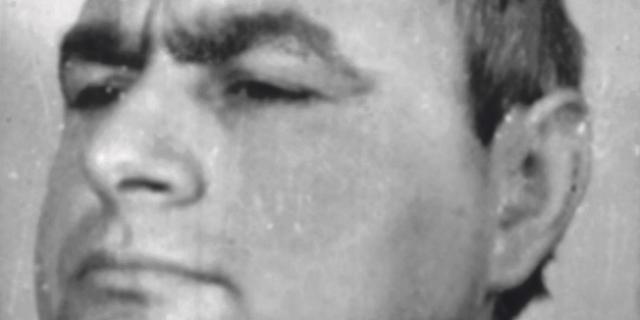
Vinko Pintaric
 Croatia
Biography of Vinko Pintaric
Vinko Pintaric was a Croatian serial killer and criminal who terrorized the residents of Hrvatsko Zagorje, a region in northern Croatia, for 17 years. Known for his vengeful and cruel nature, as well as his proficiency with firearms, Pintaric killed five people during his criminal spree. He repeatedly escaped from the police and prison, making him a notorious figure in Croatia and Yugoslavia.
Vinko Pintaric was born on April 3, 1941, near Bjelovar, Croatia. His father, Ilija, joined a partisan detachment during World War II but was later taken by the Croatian fascist movement, Ustaše, and spent several months with them. In June 1945, Ilija was beaten by agents of the Department for the Protection of People in front of his family, including Vinko and his older brother Josip, before being taken away. Rumors circulated that Ilija was executed the day after his arrest. Vinko's mother pleaded with partisan colleagues of Ilija to intervene, but they refused. With the absence of his father and an alcoholic stepfather who mistreated him, Vinko grew increasingly resentful and nurtured his anger and resentment. As a youth, he developed an interest in firearms, which he used for poaching.
Early Crimes
Pintaric's first marriage lasted only a few months due to the disdainful treatment he received from his wife's relatives. In a fit of anger, he attacked them and ended up in prison. Instead of returning to his wife, he moved to Zabok, where he married Katica Tisanić, a divorced woman with a child. With his new family, Pintaric built a home in Zabok and welcomed the birth of his daughter. For a while, he was a good husband and father, trying to forget his troubled childhood and failed marriage. However, on April 26, 1973, after being denied a job, Pintaric went to a local tavern, got drunk, and got into a fight with his neighbors. He grabbed a gun from his house and killed one neighbor while injuring another. After 18 days in hiding, Pintaric turned himself in to the police. He was taken to a psychiatric hospital for evaluation, from where he escaped on September 18, 1973.
In a drunken state, Pintaric shot his wife on October 24, believing that she was helping the police catch or even kill him. It was not until the next day that he realized he had killed his own spouse. On January 20, 1974, Pintaric surrendered to the police, who surrounded the house where he was hiding. On November 18, 1974, he was found guilty of two murders and attempted murder and sentenced to death, which he feared the most. Fortunately for Pintaric, the death penalty was commuted to 20 years in prison. On February 21, 1982, Pintaric managed to escape from prison by adding his name to the list of prisoners due for release. Five days later, he sent a letter to his lawyer, stating that he had escaped because there was no longer any point in appealing his case. He announced his intention to kill many people and claimed that what he had done before was just the beginning.
A Life On The Run
Pintaric contacted a woman named Barbara Sipek from the village of Andrasevec and lived in her home. She was his accomplice in various thefts. Both Sipek and the villagers knew Pintaric's true identity. In April 1983, when the police arrested Sipek, Pintaric stormed into a neighboring house with a shotgun and threatened to kill 30 people if they did not release his woman. However, the neighbors were not easily intimidated and severely beat him, causing injuries that resulted in the loss of his right arm. Pintaric was charged with threats, attempted murder, and 30 counts of burglary. He received another 20-year sentence and was sent to Lepoglava prison.
Life behind bars seemed dull, so Pintaric decided to escape again. On September 3, 1989, he was granted a day of leave but never returned. The paranoid fugitive resumed his life outside the law. He first killed Sipek's neighbor for killing one of her chickens and then committed his final (fifth) murder on August 2, 1990, taking the life of Bozo Habek. The police twice pursued Pintaric but he opened fire and managed to escape on both occasions. By 1991, the police had formed a team to search for and capture Pintaric. His alcohol abuse had made him more careless. In May 1991, there was information that he was staying with his mistress, leading to surveillance of her house. On the third night, the police spotted a man coming out of the forest toward the house and called for assistance from the special forces unit in Kumrovec.
When Pintaric emerged from the house in the morning, he was asked to surrender. Instead, he opened fire. Wounded, he ran back into the house, still refusing to surrender to justice. He demanded his lawyer. When the lawyer arrived, Pintaric ordered him to enter the house, which the police did not allow. By noon, it became evident that voluntary surrender was unlikely, and tear gas was used. Pintaric shot his mistress in the stomach, accusing her of betrayal, and opened fire on the police. One of the officers entered the house and shot Pintaric in the head. The injured woman survived.
Vinko Pintaric was buried in an unmarked grave at the Lepoglava cemetery.


