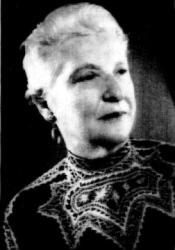
Vladimir Burich
 Russia
- Vladimir Burich: A Pioneer of Verlibre
- Childhood and Influences
- Arrival in Moscow and Verlibris
- Individualism and Nonconformity
- The Leader of Verlibre
- The Importance of Form
- Lessons from the OBERIU
- The Essential Humanism
Vladimir Burich: A Pioneer of Verlibre
Vladimir Burich, a Russian poet, literary scholar, and translator, played a significant role in the development and advocacy of verlibre, a form of poetry free from regular meter and rhyme.
Childhood and Influences
Burich's upbringing in Kharkiv, Ukraine, exposed him to the daring poetry of Mikhail Kulchitsky, Boris Slutsky, and Boris Chichibabin. These influences shaped his unconventional approach to literary expression.
Arrival in Moscow and Verlibris
Arriving in Moscow in the 1950s, Burich enrolled in the journalism department at Moscow State University. He introduced verlibre to the literary scene through his distinctive, typewriter-printed poems, which showcased his intellectual wit and social commentary.
Individualism and Nonconformity
In a literary landscape divided by political allegiances, Burich maintained his distance from ideological debates. He criticized complacency and superficiality, echoing the individualism of Stanisław Jerzy Lec and George Orwell. His writings advocated for the protection of personal liberty and the rejection of intolerance.
The Leader of Verlibre
Burich became a respected leader of the verlibre movement, compiling the first Russian verlibre anthology, "Day X." His unwavering belief in artistic diversity contributed to the genre's growth and acceptance.
The Importance of Form
Despite the attacks on verlibre by traditionalists, Burich defended both rhyme and verlibre as valuable forms. He acknowledged the limitations of rhyme while recognizing the creative possibilities offered by verlibre's freedom from rigid structures.
Lessons from the OBERIU
Influenced by the Leningrad-based OBERIU group, Burich highlighted the dangers of societal conformity and apathy. He echoed Nikolai Zabolotsky's warnings against the erosion of individuality through "commingling," and Nikolai Oleynikov's fears of becoming alienated from oneself.
The Essential Humanism
Burich's poetry was imbued with a deep empathy for his fellow humans. Despite his satirical observations, his humor was tempered by a gentle and inquisitive approach. He believed that the purpose of literature was to connect with the human spirit and preserve its vitality.