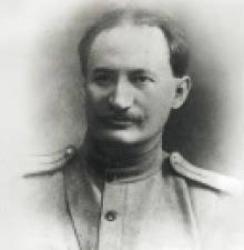
Vladislav Ozerov
 Russia
- Early Life and Influences
- Inspiration from French Literature and Personal Romantic Sensibility
- Literary Influences and the Romantic Element in his Tragedies
- "Oedipus in Athens" and Historical Significance of "Fingal"
- Patriotic Themes and Nationalistic Sentiment in "Dimitry Donskoy"
- Controversies and Literary Contributions
Early Life and Influences
Vasily Andreyevich Ozerov, a renowned Russian playwright, was born into a noble family. He excelled academically, earning a gold medal at the Cadet Corps in St. Petersburg. Ozerov participated in the Potemkin-led capture of Bender and served in the forestry department. He spent several years in solitude in the Kazan Governorate, where he dedicated himself to literature.
Inspiration from French Literature and Personal Romantic Sensibility
Ozerov's early writings were heavily influenced by French authors of the 17th and 18th centuries. He wrote his first poem in French and enjoyed performing in French tragedies. Russian writers like Knyazhnin and Boltin also played a significant role in shaping his literary sensibilities. Platonic love for a married woman and the reading of French novels instilled a romantic sentimentality in his poetry.
Literary Influences and the Romantic Element in his Tragedies
Among the literary circles of the Alexander I era, Ozerov was closely associated with the group led by Alexei Olenin. His early works, such as odes and fables, did not reveal a marked poetic talent. However, his tragedy "Death of Oleg Drevyansky" (1798) established his reputation. Drawing inspiration from French playwright Ducis, Ozerov infused his tragedies with a romantic sensibility that departed from the grandeur of ancient Greek drama.
"Oedipus in Athens" and Historical Significance of "Fingal"
Ozerov's second tragedy, "Oedipus in Athens" (1804), was a critical success. The plot centered around a softer, more sentimental portrayal of Oedipus. His subsequent tragedy, "Fingal" (1805), was notable for its historical-literary significance. Based on Ossian's ballads, it explored the conflict between vengeance and love in a time of war.
Patriotic Themes and Nationalistic Sentiment in "Dimitry Donskoy"
Ozerov's peak of fame came with the premiere of his tragedy "Dimitry Donskoy" (1807), which tapped into the patriotic fervor of the war with Napoleon. While historically inaccurate, the play depicted Dimitry as a chivalrous knight, whose love for a princess motivated his heroic actions. Its patriotic and anti-authoritarian themes resonated strongly with the audience.
Controversies and Literary Contributions
Ozerov's departure from classical conventions drew criticism from proponents of classicism. These attacks, coupled with personal setbacks, took a toll on his health and led to a nervous breakdown. Despite his early death, Ozerov's influence on Russian tragedy was significant. He introduced sentimental elements into the genre, paving the way for a more nuanced and emotional expression on the Russian stage.