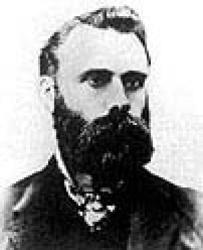
Walraven Van Hall
 Netherlands
- Valraven van Hall: A Dutch Banker and Resistance Leader
- The Resistance Efforts
- A Key Figure in the Resistance
Valraven van Hall: A Dutch Banker and Resistance Leader
Valraven van Hall was a prominent figure in the Dutch Resistance during the occupation of the Netherlands in World War II. Born into a well-known and influential family, Van Hall initially planned to pursue a career in the navy as a naval officer. However, his dreams were shattered when he was discharged due to poor eyesight.
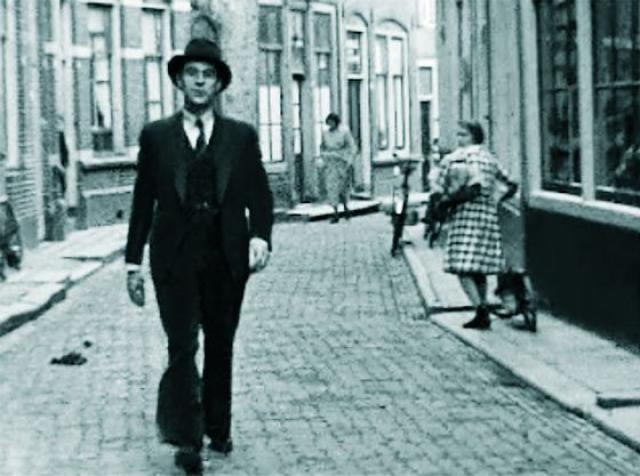
Undeterred by this setback, Van Hall traveled to New York, where his brother, Gijs van Hall, was already working in the banking industry. With his brother's help, Van Hall quickly secured a position in a firm on Wall Street. After studying banking, he returned to the Netherlands and began applying his skills as a banker and stockbroker.
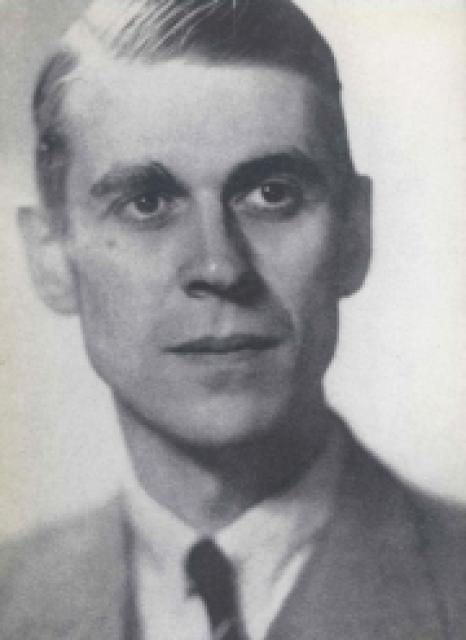
The Resistance Efforts
In 1940, the Germans invaded the Netherlands, and shortly after, a fund was established to support the families of seafarers who were stranded abroad. Van Hall and his brother were approached to create the Amsterdam branch of the fund. Leveraging his banking expertise, Van Hall successfully collected funds, including guarantees from the Dutch government in London.
As the situation in the Netherlands grew more challenging, with the Nazis targeting Jews and organizing forced labor, the underground resistance movement began to form. Recognizing the value of his financial skills, Van Hall started collecting money for the needs of the resistance groups. His abilities were quickly recognized, and he became known as the unofficial banker of the Dutch Resistance.
One of Van Hall's sources of income for his numerous beneficiaries was the Dutch National Bank, which he carefully exploited with the approval of the Dutch government in exile. In total, he managed to extract around 50 million Dutch guilders from the bank, equivalent to half a billion euros in today's currency. Van Hall employed various methods, including counterfeiting banknotes and substituting them for genuine ones stored in the bank's vaults, all while avoiding suspicion from the bank's president, Rost van Tonningen, a notorious member of the Dutch Nazi party.
Van Hall also received financial support from wealthy Dutch individuals. To prove their investments, they were issued old and worthless stocks. The numbers of the issued stocks were meticulously registered, and after the war, all "investors" were able to reclaim their contributions.
A Key Figure in the Resistance
In 1944, Van Hall served as the leader of the National Support Fund, which essentially sponsored the resistance groups. According to Dutch Prime Minister Wim Schermerhorn, Van Hall was the key figure in the entire underground movement. He was known by the nickname "The Fixer," as he had a unique ability to solve the numerous problems that arose in coordinating the different resistance groups.
The Germans always suspected the existence of a guiding figure behind the Dutch Resistance, but they never managed to identify them. Unfortunately, Van Hall did not survive the war. On February 12, 1945, he was executed by the Germans as a revenge for the recent death of a high-ranking military officer.