Walter Gramatte
 Germany
- Biography of Walter Gramatté
- Marriage and Life in Berlin and Barcelona
- Artistic Contributions and Techniques
- Memorial Exhibition and Legacy
Biography of Walter Gramatté
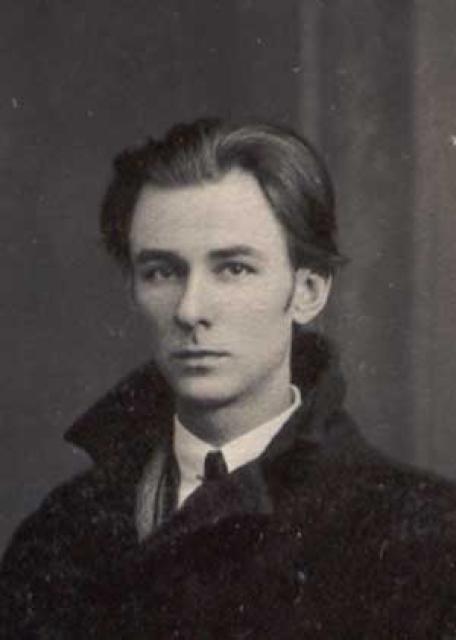
Walter Gramatté was a German artist who played a significant role in the artistic life of Berlin during the early 20th century. He served in the army during World War I and after the war, he became involved in the Berlin art scene, closely associated with Erich Heckel.
Marriage and Life in Berlin and Barcelona
On December 31, 1920, Gramatté married the pianist and violinist Sone Friedman. They lived together in Berlin and later in Barcelona from 1924 to 1926. During this time, Gramatté created her ballet "The Gypsy." He primarily worked with oil and watercolor, capturing the Spanish landscapes of Barcelona, Granada, Almeria, and Cadiz. His style shifted from expressionism to magical realism.
Artistic Contributions and Techniques
Beside his work with oil and watercolor, Gramatté was also proficient in woodcutting, lithography, and drawing. He left behind approximately 200 self-portraits and 120 studies of his wife. His artistic output was diverse and showcased his mastery in various mediums.
Memorial Exhibition and Legacy
In 1932, Gramatté's wife, Sone Friedman-Gramatté, along with art historian Ferdinand Eckhardt, her future second husband, organized a memorial exhibition for Gramatté in Hamburg. The exhibition later traveled to seven other cities in Germany before being closed down by the rising fascist regime as part of their campaign against "degenerate art."
Gramatté died of tuberculosis, leaving behind a significant body of work that continues to be celebrated and studied. His contributions to the German art scene during the early 20th century remain influential and continue to inspire artists and art enthusiasts alike.