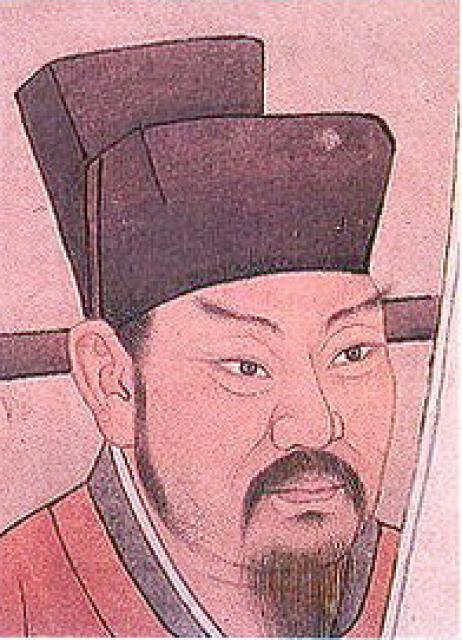
Wang Anshi
 China
China- Early Life and Career
- Fiscal Reforms and the "New Policies"
- Opposition from the Scholar-Bureaucracy
- Public Debate with Sima Guang
- Wang Anshi's Response to Criticism
- Letter from Sima Guang
- Legacy and Impact
Early Life and Career
Wang Anshi was a renowned Chinese economist, statesman, and poet. Born in 1021 AD, his life was marked by significant achievements and controversies.
Fiscal Reforms and the "New Policies"
Wang Anshi gained prominence for his "New Policies," an ambitious program of fiscal and administrative reforms. These reforms aimed to strengthen the economy and centralize imperial authority. Emperor Shenzong supported Wang's initiatives, and influential scholar Shen Kuo was among his allies.
Opposition from the Scholar-Bureaucracy
However, the reforms faced fierce opposition from the intellectual and bureaucratic elite. Key figures such as Sima Guang, Su Shi, and Ouyang Xiu perceived them as a threat to the empire. The conflict between Wang Anshi and his opponents reflected a clash of ideologies.
Public Debate with Sima Guang
One notable incident that exemplified the divide was a public debate in 1067 between Wang Anshi and Sima Guang. The debate centered on a petition from two prefects who wished to decline ceremonial gifts. Wang argued that the gifts were insignificant and that refusing them would damage the prestige of the government. Sima Guang countered that the empire was in financial distress and that reducing unnecessary expenses, including gifts to officials, was essential.
Wang Anshi's Response to Criticism
In response to criticism, Wang emphasized the importance of finding a capable financial expert who could avoid burdening the people with excessive taxes. He also defended his policies by citing historical examples of successful rulers who had enacted similar reforms.
Letter from Sima Guang
In 1070, Sima Guang wrote a letter to Wang expressing his belief in Wang's character but criticizing his fiscal policies. Sima appealed to Confucian principles, arguing that a true leader should prioritize morality over financial gain. Wang replied by referencing the example of Pan Geng, a Shang Dynasty king who relocated his capital despite widespread resistance.
Legacy and Impact
Wang Anshi's legacy remains a subject of debate. While his reforms were implemented with mixed success, his ideas on economics and governance have influenced generations of policymakers. Wang's contributions to Chinese literature, particularly his poetry, also continue to be admired and studied today.


