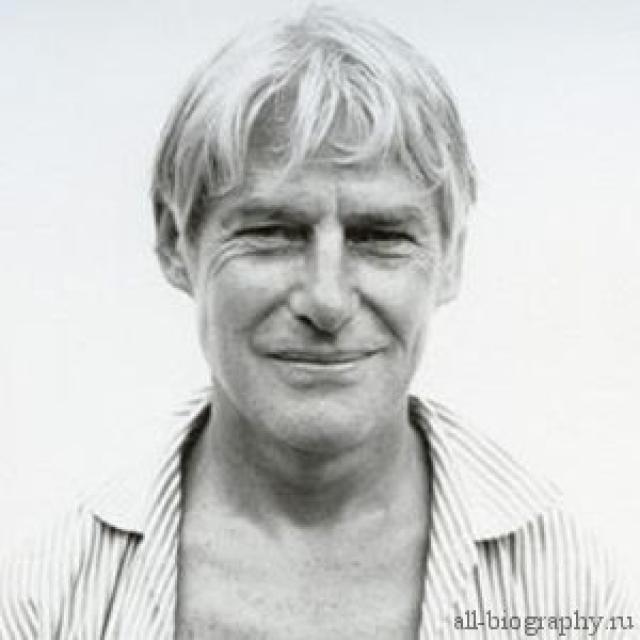
Willem De Kooning
 USA
USA- Willem de Kooning: A Maverick in Abstract Expressionism
- Early Influences and Artistic Evolution
- Figurative Abstractions and Expressionist Innovations
- Shifting Landscape and Late Works
- Critical Acclaim and Recognition
Willem de Kooning: A Maverick in Abstract Expressionism
Willem de Kooning emerged as a leading figure in the abstract expressionist movement, shaping the art landscape of the mid-20th century. Born in Rotterdam, he embarked on an illegal journey to the United States in 1926, residing and working in New York City for the next seven decades.
Early Influences and Artistic Evolution
De Kooning's artistic style evolved under the influence of various masters, including Picasso and Miró, in the late 1930s and early 1940s. His friendship with Arshile Gorky further influenced his artistic vision. In 1943, he married the renowned artist Elaine Fried.
Figurative Abstractions and Expressionist Innovations
During the 1950s, de Kooning embraced a "figurative abstraction" technique, developing a unique visual language. Solitary female figures emerged from his canvases, distorted and transformed by vigorous, impasto brushstrokes. These works invited radical Freudian interpretations.
Shifting Landscape and Late Works
Over time, de Kooning's paintings incorporated landscape elements, becoming increasingly less representational. A penchant for decorative motifs prevailed in his later works, influenced by his battle with alcoholism and Alzheimer's disease.
Critical Acclaim and Recognition
Despite the often controversial nature of his art, de Kooning was widely acclaimed. He became the first recipient of the Imperial Prize, an honor that solidified his status as a groundbreaking artist of his time.


