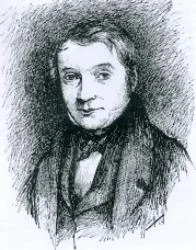
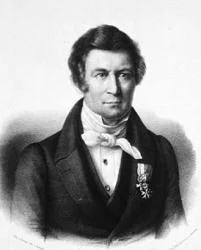
William Townsend Aiton
- A family apprenticeship at Kew
- Royal gardens and landscape design
- Expanding the record of Kew’s plants
- Retirement and legacy
William Townsend Aiton inherited one of Britain’s most influential gardening posts and spent decades shaping the royal gardens at Kew, Richmond, Windsor, and Buckingham Palace. A horticulturist and landscape gardener, he combined practical design with botanical scholarship, most notably by expanding the great plant catalogue associated with his father.
A family apprenticeship at Kew
Aiton was born at Kew, Surrey, on February 2, 1766, the eldest son of horticulturist William Aiton. Educated at Chiswick and Camberwell, he entered his father’s service at sixteen. The apprenticeship gave him direct experience in plant cultivation and garden management, while he also developed a reputation for landscape design and undertook private commissions.
His father had directed the royal gardens at Kew. When the elder Aiton died in 1793, William Townsend succeeded him as superintendent at Kew and Richmond. He was entrusted with the royal grounds at a young age and built a career that combined the hands-on work of a gardener with the administrative demands of several royal estates.
Royal gardens and landscape design
Aiton’s responsibilities expanded over time. In 1804, he took charge of the gardens at Kensington and St James’s palaces. He later oversaw major garden projects for George IV, including work at the Royal Pavilion in Brighton and Buckingham Palace. At Buckingham Palace, he landscaped a large area and helped transform two smaller ponds into a single lake. He also supervised extensive changes at Windsor.
His work was valued by George III and the royal family. The architect John Nash consulted him on planting plans, and Aiton maintained close correspondence with members of the royal household. By 1827, he was styled director-general of the King’s gardens, a title that reflected the breadth of his responsibilities.
Expanding the record of Kew’s plants
Aiton’s most important botanical publication was the enlarged second edition of his father’s Hortus Kewensis, a catalogue of plants cultivated at the Royal Botanic Garden at Kew. Published in five volumes between 1810 and 1813, it updated and expanded the earlier work, drawing on the knowledge of botanists including Jonas Dryander and Robert Brown.
The catalogue served both as a record of Kew’s collections and as a reference for the wider horticultural world. It reflected the garden’s growing importance as plants arrived from across the globe and were cultivated, studied, and introduced into British gardens. Aiton was also among the founders of the Horticultural Society of London, which later became the Royal Horticultural Society.
Retirement and legacy
Aiton voluntarily resigned his Kew post in 1841, when William Jackson Hooker became director. He remained connected to the royal gardens and continued to live at Kew for part of his retirement. He died at Kensington on October 9, 1849, and was buried at Kew.
His career helped carry Kew through a period of institutional growth. Aiton’s garden designs shaped important royal landscapes, while his work on Hortus Kewensis preserved a detailed account of the plants cultivated at the gardens. His legacy lies in joining landscape practice and botanical record-keeping during the expansion of British horticulture.