Woodrow Guthrie
 USA
USA- Woody Guthrie - American Singer, Musician, and Songwriter
- Early Life
- Early Career
- Later Life and Health Issues
- Legacy
Woody Guthrie - American Singer, Musician, and Songwriter
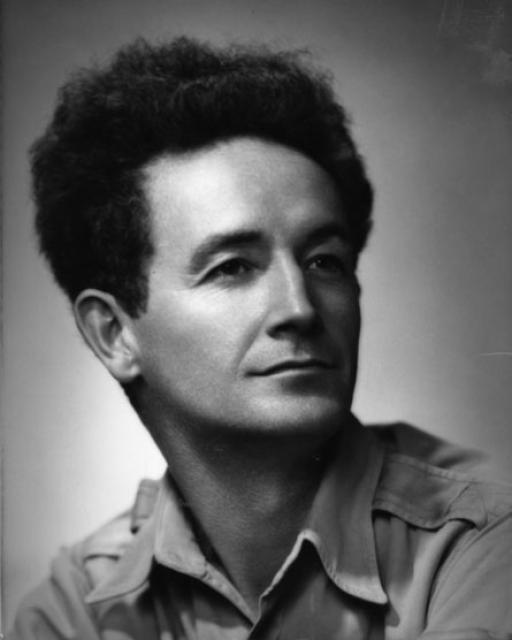
Woody Guthrie, born Woodrow Wilson Guthrie, was an American singer, musician, and poet-songwriter. He was never formally a socialist or communist, but he actively supported both ideologies. His life in America was greatly complicated by his principles, but he never compromised his beliefs until his death. His music was also primarily focused on the people and addressed their problems, needs, and aspirations.
Early Life
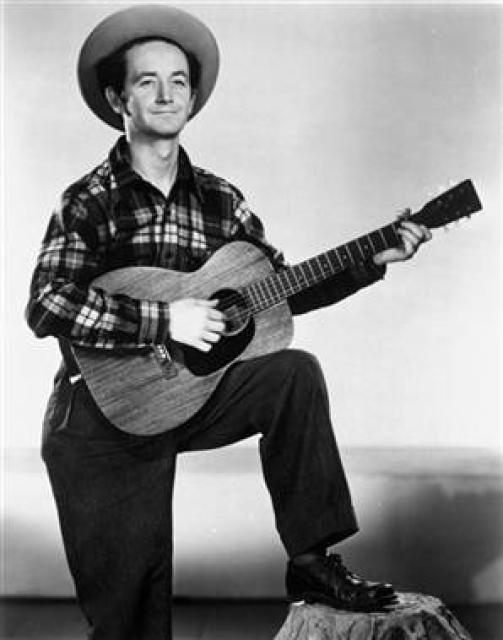
Guthrie was born in a small town in Oklahoma and was named after Woodrow Wilson, the former governor of New Jersey, who later became the President of the United States. His father was a prominent entrepreneur, public figure, orator, and, according to Guthrie himself, a member of the Ku Klux Klan. Guthrie's mother suffered from Huntington's chorea, and it is believed that her mental health issues were related to a series of unfortunate fires, one of which severely burned Guthrie's father and another claimed the life of his sister. Guthrie's mother was later sent to a psychiatric hospital, while his father dealt with the aftermath of unsuccessful real estate ventures, leaving the children to fend for themselves.
Early Career
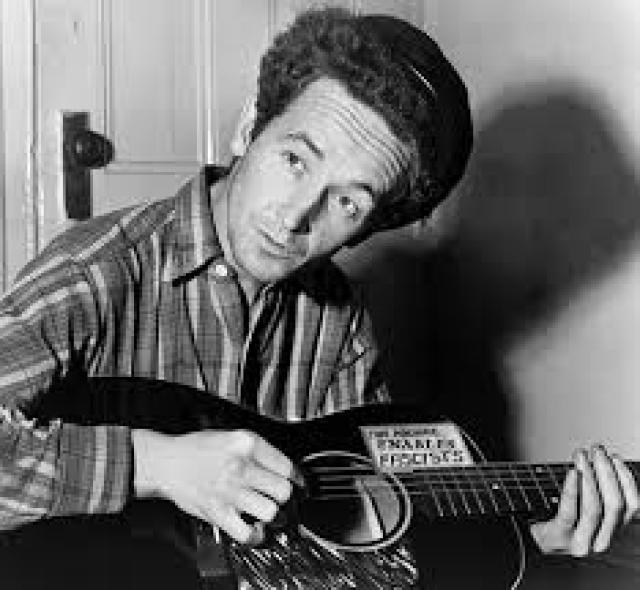
Guthrie had to start earning a living at a young age, and it was around this time that he developed an interest in music. He had natural musical abilities, with an exceptional ear for music and the ability to easily memorize new melodies. Although Guthrie never completed school, his teachers acknowledged his exceptional intellect, and his friends remembered him as an avid reader. At the age of 19, Guthrie met his first wife, Mary Jennings, and they later got married. They had three children together. Guthrie began making a living with his musical talents, and he gained significant recognition, largely thanks to the radio station KFVD. He not only played other people's music but also wrote his own songs, many of which had a distinctly satirical political character. Guthrie was closely associated with communists and socialists, which unfortunately hindered his success on the radio, especially after the signing of the non-aggression pact between the Soviet Union and Germany. Eventually, Guthrie left the radio station, spending some time in Texas before his restless nature called him back on the road.
Later Life and Health Issues
Guthrie traveled extensively and energetically throughout his life. His marriage gradually fell apart, but it was not easy to get a divorce as his wife was a devout Catholic. However, the marriage was eventually officially dissolved. Guthrie continued to write songs, and he considered his talent best used for anti-fascist songs. He tried to join the UFO (Unidentified Flying Objects) instead of regular military service but was unsuccessful. He eventually served in the Navy. In 1945, Guthrie married for the second time. In the late 1940s, he began experiencing health problems both physically and mentally. It became clear over time that Huntington's chorea, which had taken his mother's life, had also affected him. Concerned about the future of their children, Guthrie's second wife, Marjorie, chose to separate from him. Guthrie returned to California, where his health deteriorated, and he struggled to find work as being known as a supporter of communists was greatly frowned upon at the time. In California, Guthrie met his third wife, Anneke Van Kirk, but this marriage also did not last long. Eventually, his second wife, Marjorie, returned to care for him until his death.
Legacy
In the later years of his life, Guthrie was almost alone, with only his family by his side. Being near him was challenging as his illness progressed, deteriorating his mental state, and the treatment for his condition was limited at that time. Guthrie's death played a significant role in the advancement of programs to combat Huntington's chorea. Marjorie, in particular, was instrumental in founding a committee to fight against the disease.


