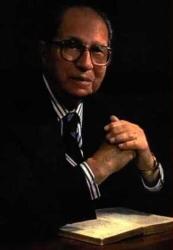
Yamamoto Tsunetomo
 Japan
Japan- Yamamoto Tsunetomo: A Samurai's Life and Legacy
- Retirement and Teachings
- "Hagakure"
- Zen Influence and the Path to Purity
- Criticism of the Ako Vendetta
- Alternative Names
Yamamoto Tsunetomo: A Samurai's Life and Legacy
Early Life and ServiceYamamoto Tsunetomo was a samurai from the Saga Domain in Hizen Province, where he served Daimyo Nabeshima Mitsushige for over 30 years. Daimyo Nabeshima was opposed to the practice of suicide in the name of loyalty, and when he passed away in 1700, Yamamoto chose not to take his own life.
Retirement and Teachings
Following a disagreement with Nabeshima's successor, Yamamoto retreated to the mountains as a hermit. Between 1709 and 1716, he shared his thoughts and teachings with his fellow samurai, Tashiro Tsuramotto. Yamamoto's aphorisms focused on the character and leadership of his daimyo and his grandfather, Nabeshima Naoshige.
"Hagakure"
In 1716, Yamamoto's teachings were compiled and published in a book titled "Hagakure." The book remained relatively obscure until the 1930s, when it gained recognition as one of the definitive works on the philosophy of Bushido.
Zen Influence and the Path to Purity
Yamamoto believed that contemplating death and embracing it, even while alive, led to a state of purity and focus. By confronting and accepting the reality of death, he argued that one could elevate one's life to a higher level, filled with beauty and grace that were inaccessible to those preoccupied with preserving themselves.
Criticism of the Ako Vendetta
Yamamoto criticized the elaborate revenge carried out by ronin warriors in the Ako Incident, which involved a delayed and calculated attack. He believed that such actions went against the true spirit of Bushido.
Alternative Names
Yamamoto Tsunetomo was also known by the name Yamamoto Jōchō, which he adopted after becoming a monk.