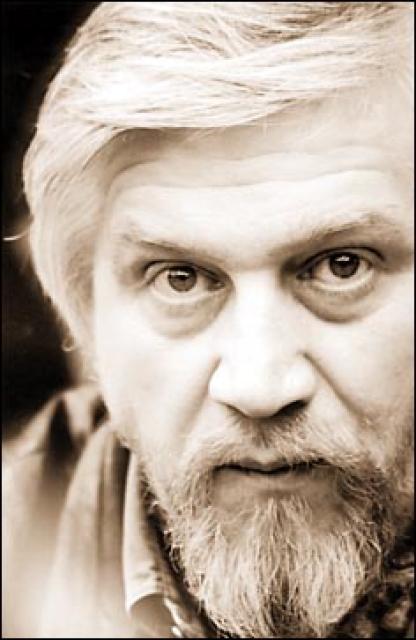
Yonas Vaitkus
 Lithuania
Biography of Jonas Vaitkus
Jonas Vaitkus is a Lithuanian theater director and is considered the patriarch of Lithuanian theater. He is the head of the first director's course at the Lithuanian Conservatory. Prior to this, as the profession of a director was considered ideological, future Lithuanian directors studied exclusively in the Russian Soviet Federative Socialist Republic (RSFSR). Vaitkus himself studied at the Leningrad State Institute of Theater, Music, and Cinematography, on the course of Korogodsky. According to Mindaugas Karbauskis, a beloved figure among Moscow theatergoers, "15 years ago, Vaitkus opened the doors of Lithuanian theater, just as Tabakov opened the doors of the Moscow Art Theater."
During the Soviet era, Vaitkus was unable to travel abroad, so he worked extensively outside of Lithuania as the management of the National Theater in Vilnius had removed him from his position. Today, he is back in Lithuania, and his first experience directing in Russia was with a production of "Master and Margarita" at the Baltic House. When asked about the novel "Master and Margarita," Vaitkus replied that he doesn't know what it is about and that it cannot be definitively explained. He believes that Woland, the character in the novel, is like a litmus test that allows people to reveal their true selves.
Vaitkus has also directed and taught abroad. He believes that actors in other countries are more trained, although they face their own challenges depending on the material they are working with. Vaitkus emphasizes the importance of an actor's ability to overcome gravity and elevate themselves in their performances. He admires various forms of theater, such as the Berliner Ensemble, the Alvin Ailey American Dance Theater, the Beijing Opera, and the Kabuki Theater, for their mastery of the craft.
In terms of working with actors, Vaitkus believes that even the most talented actors require time and effort, but some actors are capable of achieving the desired state more easily. He mentions Sasha Lykov as an example of an actor who understands and believes in the vision discussed during rehearsal, making Vaitkus' job easier.
Vaitkus is known for his opposition to any form of authority. He believes that any form of power is against the individual and that theater should be free to express anything it wants. He emphasizes the need for theater to be able to speak freely and believes that it should be a place where the voice is visible and the visible is audible. He does not believe that beauty can save the world, but he believes in the power of art and theater to make a difference, even if it is one person at a time.