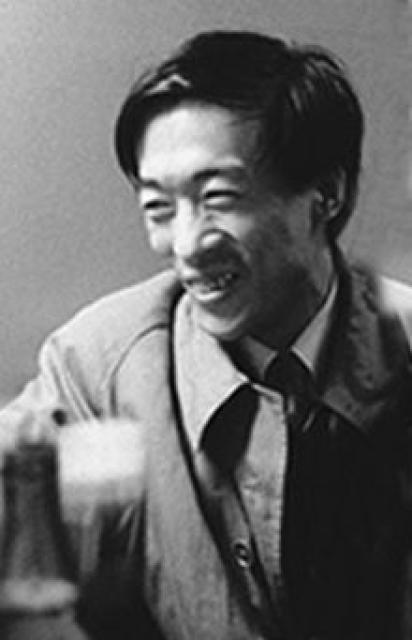
Yoshiyuki Junnosuke
 Japan
Japan- Early Life and Education
- Military Service and University Years
- Literary Breakthrough
- Awards and Recognition
- Literary Legacy
- Health Struggles and Demise
Early Life and Education
Yukio Yoshiyuki, a renowned Japanese writer and essayist, was born in Okayama, Japan, in the family of the famous modernist poet Eisuke Yoshiyuki. His childhood was spent in a Tokyo suburb, where he moved with his family at the age of three.
Military Service and University Years
In 1944, Yoshiyuki was drafted into the military, but was released in September due to bronchial asthma. Re-examined in 1945, he was declared fit for service but was not called up. That April, he enrolled in the University of Tokyo.
The war ended while Yoshiyuki was in Tokyo, where his house had been burned down in an air raid. He neglected his studies in university, working as a literary editor for various magazines. Eventually, he stopped attending classes and was expelled.
Literary Breakthrough
In the late 1940s, Yoshiyuki began publishing annually in magazines with other young writers, including Shusaku Endo and Shotaro Yasuoka. He became part of a group of authors who became known as "the third new." In 1952, his short story "District of Primary Colors" was shortlisted for the Akutagawa Prize, but did not win.
Awards and Recognition
In 1954, while recovering from a lung surgery, Yoshiyuki received the Akutagawa Prize for his short story "Torrential Rains." The award and his lack of other income sources motivated him to focus on writing as a career.
Literary Legacy
Yoshiyuki's literary contributions were multifaceted. He wrote novels that explored themes of Japanese ego-fiction and aesthetics, such as "Plants on Sand," "Dark Room," and "Before Sunset." He also authored numerous short stories and essays, including popular zuihitsu and light genre works.
Health Struggles and Demise
Throughout his life, Yoshiyuki faced various health issues, including tuberculosis and a lung removal. Despite these challenges, he remained a prolific writer. He passed away in 1994 from liver cancer.


