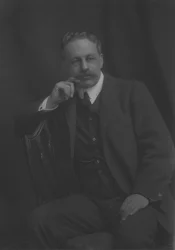
Zhao Ziyang
- Early Life and Party Career
- Reform in Sichuan and Beijing
- The 1989 Protests and Fall from Power
- Life Under House Arrest and Memoirs
- Legacy
Zhao Ziyang rose from provincial party work to the highest ranks of China’s leadership, helping drive the economic reforms that reshaped the country in the 1980s. At the decisive moment of the 1989 Tiananmen Square protests, however, he opposed martial law and urged the students to leave peacefully. He was removed from office and spent the remaining sixteen years of his life under house arrest, turning from a powerful policymaker into a silenced witness to the political crisis that ended his career.
Early Life and Party Career
Born in 1919 in Henan Province, Zhao joined the Communist Youth League as a teenager and became a member of the Chinese Communist Party in 1938. He worked as a local party official during the war against Japan and the Chinese Civil War. His career took shape in the provinces, where agricultural policy and local administration were central responsibilities.
Zhao rose through party offices in Guangdong and was named the province’s first party secretary in the 1960s. During the Cultural Revolution, political campaigns brought his career to a halt. He was dismissed and sent to work in a factory. He later returned to public service, holding posts in Inner Mongolia and Guangdong before taking charge in Sichuan in 1975.
Reform in Sichuan and Beijing
Sichuan was among China’s most populous provinces and had been hit hard by years of economic disruption. Zhao supported practical changes that gave households greater responsibility for agricultural production and allowed local managers more room to make decisions. These experiments helped shape reforms later applied more widely, including the household responsibility system. Zhao became known for his pragmatic approach: test policies in the provinces, keep what worked, and loosen some of the controls that had constrained production.
Deng Xiaoping brought Zhao to Beijing as premier in 1980. In that role, Zhao backed market-oriented reforms, expanded opportunities for private enterprise, encouraged foreign investment, and promoted economic decentralization. He became general secretary of the Communist Party in 1987, while Deng remained the country’s paramount leader. Zhao also supported political changes that he believed could improve government, including a greater separation between party and state functions and more room for public discussion. The pace and authorship of China’s reforms remain subjects of historical debate, but Zhao was one of their most visible advocates and administrators.
The 1989 Protests and Fall from Power
After the death of former party leader Hu Yaobang in April 1989, students gathered in Tiananmen Square and protests spread through Beijing and other cities. The movement brought together varied demands, including opposition to corruption and calls for political openness. As the crisis deepened, the senior leadership split over whether to negotiate or impose martial law.
Zhao argued against using the military and favored dialogue. On May 19, he went to the square before dawn to speak with the hunger-striking students. Visibly distressed, he told them he had come too late and asked them to go home. It was his final public appearance. Deng and other senior leaders backed martial law, and troops entered central Beijing on the night of June 3 and into June 4, killing civilians and ending the protests.
Zhao was stripped of his party posts and confined to his Beijing home. He remained under strict surveillance for the rest of his life, with limited freedom to receive visitors or leave the residence. The government did not rehabilitate him, and state media largely avoided mentioning his role in the country’s recent history.
Life Under House Arrest and Memoirs
Although isolated, Zhao continued to reflect on the events that had ended his political career. He secretly recorded his recollections on cassette tapes, using music to mask his voice and hiding the recordings among his family’s belongings. Trusted contacts smuggled copies abroad. The tapes became the basis for Prisoner of the State: The Secret Journal of Premier Zhao Ziyang, published in 2009, four years after his death. The memoir offered his own account of leadership debates and the decision to impose martial law; it remains an important but personal record of those events.
Zhao died in Beijing on January 17, 2005, after years of respiratory and cardiovascular illness. He was eighty-five. The official announcement of his death gave little detail about his former positions or his removal after Tiananmen, reflecting the political sensitivity that continued to surround him.
Legacy
Zhao’s legacy brings together economic experimentation and political dissent within a one-party system. His provincial reforms contributed to agricultural growth and helped influence national economic policy, while his stand against martial law made him a lasting symbol of the possibility of a negotiated response to the 1989 protests. His memoir, released beyond China’s censorship, gave readers a rare account from inside the leadership. The long silence imposed on him only sharpened the contrast between the reformer who once held national office and the former leader who spent his final years watched and unheard.