
Zhou Youguang
 China
ChinaBiography of Zhou Yuguan
Zhou Yuguan, a Chinese linguist and economist, is known as the father of Pinyin, a romanization system for the Chinese language. He was born on January 13, 1906, in Changzhou, a major city in Jiangsu province, China. Zhou attended St. John's University in Shanghai, where he specialized in economics and also took additional courses in linguistics.

In 1925, during the anti-imperialist movement known as the May 30th Movement, Zhou transferred to Guanghua University, where he completed his studies in 1927. He then spent some time as an exchange student in Japan and began his career in banking and economics overseas, primarily in New York City.
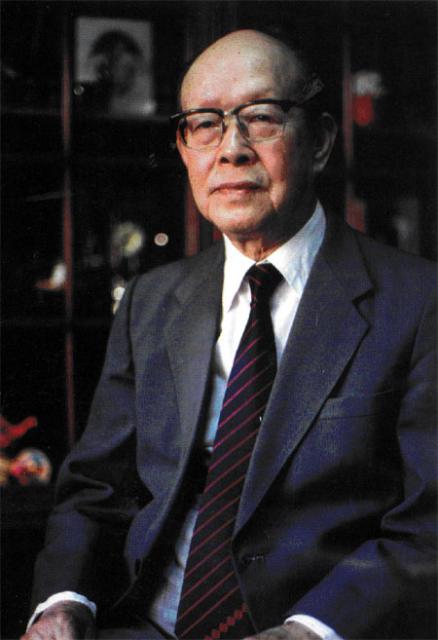
Zhou returned to China in 1949, when the People's Republic of China was established. In 1955, at the request of the Chinese government, he led a commission to reform the Chinese language and improve literacy rates. While other commissions focused on transforming the northern Chinese language into the national language and simplifying Chinese characters, Zhou's commission was tasked with developing a Latin transcription system for Chinese characters, known as Pinyin.
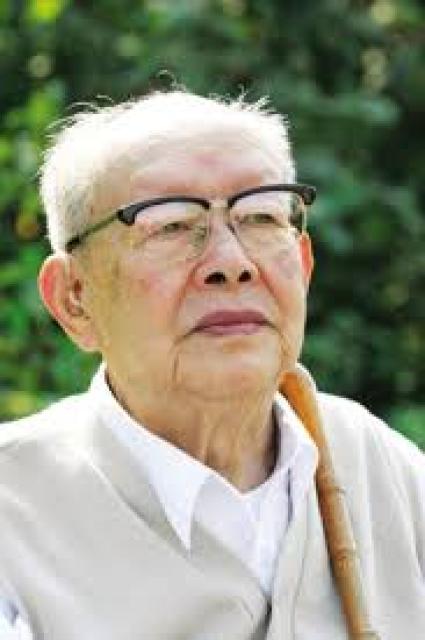
Zhou devoted himself fully to linguistics and set aside his career as an economist. In 1958, Pinyin became the officially adopted standard for romanizing the Chinese language, though it remains a pronunciation guide and does not replace the traditional writing system.
During the Cultural Revolution from 1966 to 1976, Zhou Yuguan was sent to a rural labor camp for two years for "reeducation." After 1980, he worked on translating the Encyclopædia Britannica into Chinese, earning him the nickname "Zhou-Encyclopedia."
Throughout his life, Zhou continued to write and publish. He authored several books, including "The Historical Evolution of Chinese Languages and Scripts," which was translated into English by Zhang Liqing and published in 2003.
In his later years, Zhou became a supporter of political reforms and criticized the Communist Party of China for its attacks on traditional Chinese culture when it first came to power. He was married to Zhang Yunhe on April 30, 1933, and their marriage lasted 69 years and 106 days until Zhang's passing on August 14, 2002. They had two children, a daughter named Zhou Xiaohe who passed away at the age of 6 in 1941, and an eldest son named Zhou Xiaoping who turned 80 years old.
Zhou Yuguan's legacy as the father of Pinyin and his contributions to Chinese linguistics and economics solidify his status as a respected figure in China and beyond.
In early 2013, Dr. Adeline Yen Mah, an American doctor and writer of Chinese descent, conducted an interview with Zhou Yuguan and his son at their home in Beijing, documenting her visit on video.


