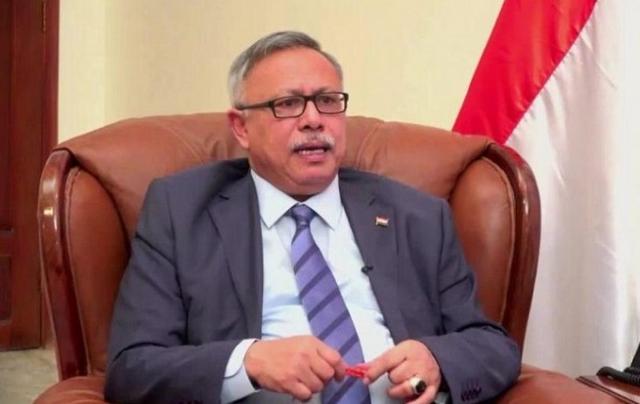
Abdel-Aziz bin Habtour
 Yemen
- Education and Academic Career
- Entry into Public Office
- Prime Minister in Sanaa
- Public Image and Significance
Abdel-Aziz bin Habtour is an academic and politician whose career spans university administration, regional government, and senior office in Yemen’s Houthi-led authorities in Sanaa. A professor of administration and economics, he became a prominent figure during Yemen’s civil war, serving as prime minister of the Houthi-aligned administration from 2016 to 2024. His move from an appointment by Yemen’s internationally recognized president to leadership under the Houthis marked a sharp turn in an already fractured political landscape.
Education and Academic Career
Born on August 8, 1955, in Shabwah Governorate, bin Habtour completed his early schooling in southern Yemen and moved to Aden for university. He earned a bachelor’s degree in economics and administration from the University of Aden in 1981. He pursued further study in Germany, receiving a master’s degree in 1988 and a doctorate from the University of Leipzig in 1992, after the political changes that reunited East and West Germany.
Bin Habtour returned to the University of Aden as a lecturer and academic administrator. He advanced through departmental and university leadership, including service as vice president for administrative and financial affairs and later as president of the university. His academic work focused on strategic management, public administration, and economics; he also published books and taught students in Yemen and abroad. The scholarly background became a notable part of his public profile as he moved into politics.
Entry into Public Office
His public service grew alongside his university career. Bin Habtour served as deputy minister of education and held other government posts before President Abdrabbuh Mansur Hadi appointed him governor of Aden in December 2014. Aden was a pivotal southern port city, and Yemen was entering a period of rapid political upheaval. The Houthi movement had taken control of the capital, Sanaa, and the conflict between rival authorities was escalating.
Bin Habtour’s time as governor was brief. As the conflict intensified in 2015, he left the post. His political path then shifted: he had publicly backed Hadi, but in 2016 he accepted the role of prime minister in the National Salvation Government established by the Houthis and their allies in Sanaa. The change drew attention because it placed him at the head of a rival administration while Yemen’s internationally recognized government operated separately. The country’s division meant that claims to national authority were contested, and the title did not make his cabinet the internationally recognized government of Yemen.
Prime Minister in Sanaa
Appointed on October 4, 2016, bin Habtour served for nearly eight years as prime minister of the Houthi-led administration. His government operated in territory controlled by the movement during a devastating civil war marked by military confrontation, economic collapse, and a severe humanitarian emergency. In this position, he represented the administration publicly, while ultimate political and military authority rested with Houthi leaders and institutions.
Bin Habtour also remained connected to the General People’s Congress, the party that had dominated Yemeni politics under former president Ali Abdullah Saleh. The Houthi-Saleh alliance broke down in 2017, and Saleh was killed after turning against the Houthis. Bin Habtour continued in office through subsequent political changes, reflecting the complex alliances that shaped governance in Sanaa.
On August 10, 2024, Houthi authorities announced a new cabinet headed by Ahmed al-Rahawi, ending bin Habtour’s term. He subsequently became a member of the Supreme Political Council, the governing body of the Houthi-led administration. His public statements since then have continued to address domestic political and economic matters, although the authority he represents remains distinct from Yemen’s internationally recognized government.
Public Image and Significance
Bin Habtour’s public image brings together two identities: a university professor who rose through academic administration and a political figure who accepted leadership in a de facto authority during a national conflict. Supporters within the Sanaa administration have presented him as an experienced administrator and advocate for national unity. Critics have focused on his alignment with the Houthis and the disputed legitimacy of the government he led.
His career illustrates how Yemen’s civil war reshaped the paths of officials who had served under earlier governments. From university leadership to governor of Aden, then to prime minister in Sanaa and membership on the Supreme Political Council, bin Habtour has held senior roles across Yemen’s divided political order. His long tenure made him one of the most recognizable civilian faces of the Houthi-led administration, even as the country’s competing authorities and the consequences of war continued to define his political environment.