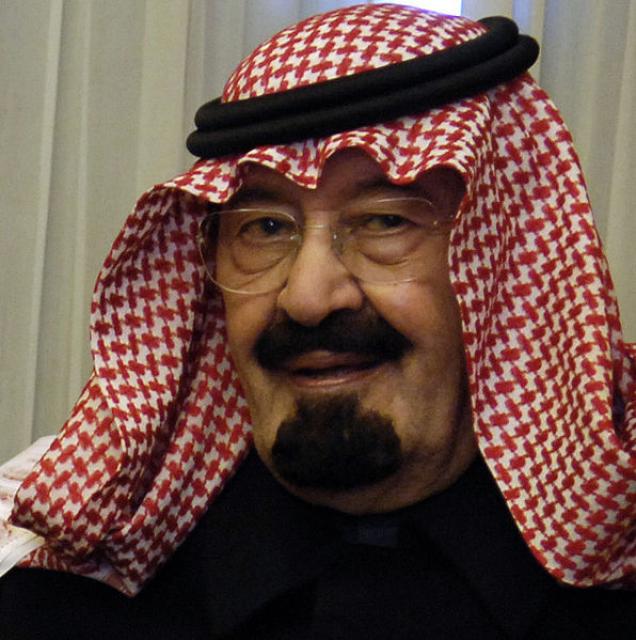
Abdullah al-Saud
 Saudi Arabia
- Biography of King Abdullah of Saudi Arabia
- Early Life and Education
- Political Career
- Accession to the Throne
Biography of King Abdullah of Saudi Arabia
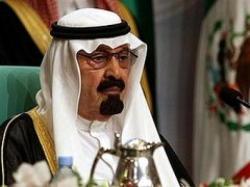
King Abdullah of Saudi Arabia, also known as the Custodian of the Two Holy Mosques, was born in 1924 in Riyadh, Saudi Arabia. He was the son of the first king of Saudi Arabia, Abdulaziz, and his eighth wife Fahda.
Early Life and Education
Abdullah received a traditional religious education at the royal court, as well as secular and political education in school. However, he did not have a higher education degree. His mother Fahda, who belonged to the aristocratic Shammar tribe, gave birth to Abdullah and two daughters. He was the only child of King Abdulaziz who did not have full brothers, as his other 43 brothers were all half-siblings.
From a young age, Abdullah was deeply influenced by his father, learning from him the respect for Islamic traditions and a love for the country's history and cultural heritage. He spent a lot of time in the desert, experiencing the simple life of the Bedouins and their moral and ethical code, which prioritizes honor, generosity, and courage in overcoming life's challenges.
Political Career
Abdullah held positions such as the mayor of Mecca and deputy minister of defense. In 1962, King Faisal appointed him as the commander of the National Guard, a military institute with educational and enlightenment tasks, formed from the descendants of King Abdulaziz's supporters. Abdullah transformed this organization into a modern and well-equipped structure. He also served as the second deputy prime minister from 1975 to 1982.
Known for his adherence to a strict Bedouin lifestyle, Abdullah was a staunch supporter of Arab solidarity and Islam. He pursued a policy of preserving the country's national cultural heritage. In the field of foreign policy, he acted as a mediator in resolving intra-Arab conflicts. He supported the deployment of Syrian troops in Lebanon in 1984 and demanded the withdrawal of American Marines from the region. Abdullah criticized the Americans for their support of Israel and called for a boycott of Egypt for the Camp David Accords with Israel.
Accession to the Throne
Before being proclaimed Crown Prince in 1982, Abdullah had to compete with Prince Sultan, who also desired the privilege. However, the family council decided not to create tense relations with Abdullah, as it could have divided the family into opposing factions.
In 1995, Abdullah faced opposition for the first time when King Fahd suffered a stroke. The prince ruled the country for two weeks and prohibited members of the royal family (which consisted of about 7,000 princes and princesses) from using state funds. As a result, the Sudairi clan, fearing the loss of their privileges, exerted pressure on Fahd, and he had to take power back into his own hands.
In the early days of Abdullah's reign, there were reports that he intended to implement economic reforms to reduce the country's dependence on oil prices, modernize the capital market, and open the gas sector to foreign companies. He also partially emancipated women by allowing them to stay in hotels without the accompaniment of male relatives.
King Abdullah of Saudi Arabia passed away on August 1, 2005, and his brother Prince Sultan was appointed as his successor. Abdullah is remembered as a leader who sought to bring reforms and modernize Saudi Arabia while preserving its cultural and religious traditions.