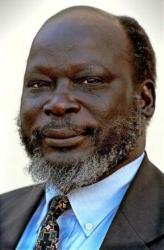
Abolqasem Lahout
- Early Life and Literary Beginnings
- Political Activism and Intellectual Lineage
- Communist Influence and Emigration
- Contribution to Tajik Culture and Legacy
Aharon Abulkassim Lahouti: A Persian-Tajik Literary and Political Giant
Aharon Abulkassim Lahouti was a poet, political activist, and national hero of Tajikistan. His contributions to Persian-Tajik literature and the development of modern Tajik identity remain significant.
Early Life and Literary Beginnings
Born in Kermanshah, Iran, into a family of shoemakers, Lahouti faced economic hardships from a young age. He worked as a blacksmith's apprentice, servant, and shoemaker alongside his father. Inspired by his father's poetic nature, Lahouti began composing verses at an early age. His first poems, recited in religious ceremonies, gained him popularity among his community.
Political Activism and Intellectual Lineage
Lahouti's interest in politics grew over time. He received a silver medal from Sattar Khan for his support during the Persian Constitutional Revolution. After studying Islamic theology, he traveled to Bulgaria, writing poems on Muslim themes. Upon his return to Iran, he served in the military, rising to the rank of captain. Faced with a death sentence, he fled to Turkey and later joined the rebel army of Sheikh Muhammad Khiabani in Tabriz. After the rebellion's defeat, he escaped to Baku, Azerbaijan.
Communist Influence and Emigration
In Baku, Lahouti embraced communist ideals. He married Russian poet Tsesilia Banu, nee Bakaleyshchik. Recognizing the futility of revolutionary aspirations in Iran, he emigrated to the Soviet Union in 1922. There, he became a member of the Communist Party and the Central Executive Committee of the Tajik SSR.
Contribution to Tajik Culture and Legacy
Lahouti's literary works had a profound impact on modern Tajik literature. He is considered a pioneer of modernism in Tajik poetry and prose. His famous poem "Gardan-e Shadi" became the lyrics for the anthem of the Tajik SSR. Lahouti also played a significant role in the Tajik intelligentsia, fostering a new generation of writers and intellectuals.
Lahouti died in Moscow and is buried at the Novodevichy Cemetery. His legacy lives on through numerous accolades and memorials. The Tajik Academic Drama Theater in Dushanbe bears his name, and his bust is displayed nearby. His contribution to Tajik culture has cemented his status as a national hero.