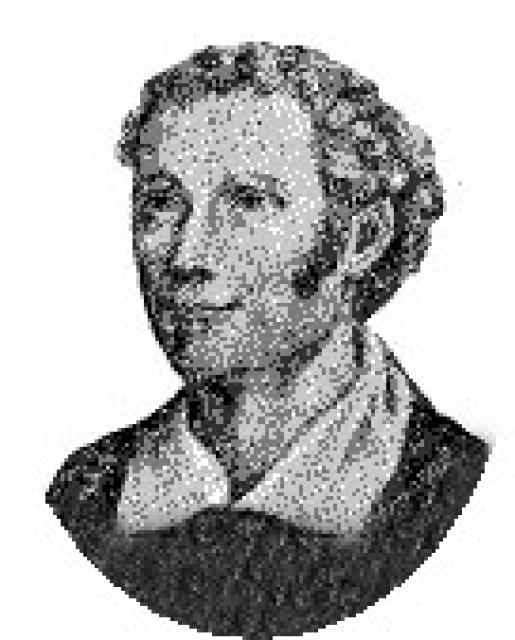
Abraham Edelkranz
 Sweden
- Early Life and Education
- Royal Patronage and Academic Accomplishments
- Optical Telegraph Innovations
- Travels and Industrial Advancements
- Advocacy for Practical Science
- Legacy and Death
Early Life and Education
Abraham Niclas Edelcrantz, born Abraham Niclas Klewberg on July 29, 1754, in Turku, Finland, exhibited academic prowess from a young age. At 18, he graduated from the University of Turku with dissertations in literature and optics.
Royal Patronage and Academic Accomplishments
During a royal visit to Turku in 1775, King Gustav III of Sweden noticed Edelcrantz's talents. This encounter launched his career, culminating in his appointment as the king's personal secretary in 1787. In 1789, he was ennobled and took the surname Edelcrantz. His responsibilities included managing the royal theaters and library.
Optical Telegraph Innovations
In 1794, inspired by the French invention of the optical telegraph, Edelcrantz embarked on developing its Swedish counterpart. Within a year, he successfully demonstrated his advancements on the fourteenth birthday of King Gustav IV Adolf. Edelcrantz's improvements to the system earned him recognition both within Sweden, where he became a member of the Royal Swedish Academy of Sciences in 1797, and internationally.
Travels and Industrial Advancements
Edelcrantz traveled extensively throughout Europe during the early 19th century, receiving honors from scientific societies and meeting with fellow inventors. In England, he encountered James Watt and imported several steam engines to Sweden. In 1805, he established Sweden's first steam-powered mill in Stockholm.
Advocacy for Practical Science
As a member of the Royal Swedish Academy of Sciences, Edelcrantz advocated for the importance of applied sciences with economic value. In 1813, he became the president of the Royal Swedish Academy of Agriculture, continuing his legacy of innovation and practical advancements.
Legacy and Death
Abraham Niclas Edelcrantz died on March 15, 1821, leaving behind a transformative legacy in science, technology, and the arts. His contributions to the development of the optical telegraph and steam power in Sweden played a crucial role in shaping the nation's industrial landscape.