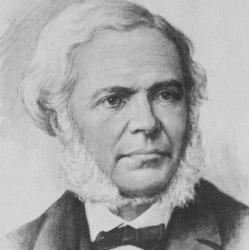
Albert Bertelin
 France
Early Life and Education
Born into a musical family, Maurice Emmanuel completed his studies at the prestigious Paris Conservatory. Under the tutelage of renowned masters such as Théodore Dubois, Jules Massenet, Raoul Pugno, and Charles-Marie Widor, he honed his skills in composition and music theory.
Professional Career
After graduating, Emmanuel dedicated himself to both teaching and composing. He held a respected position as a professor at the Paris Conservatory, where he imparted his knowledge to generations of aspiring musicians. His extensive pedagogical work culminated in a monumental four-volume treatise on composition, published between 1931 and 1934, which remains an enduring resource for students.
Musical Compositions
Emmanuel's compositional output encompassed a wide range of genres. He penned an opera, a symphony, and a symphonic poem titled "Shakuntala." His sacred works included two oratorios, while his instrumental compositions featured sonatas for violin and cello. His music exudes a blend of classical tradition, Romantic sensibilities, and innovative harmonies.
Music Criticism
Beyond his creative pursuits, Emmanuel also emerged as an astute music critic. His insightful writings provided valuable commentary on contemporary musical trends and the works of his contemporaries. His critical acumen contributed to the development of French musical discourse during his time.
Legacy
Maurice Emmanuel's contributions to music are multifaceted. As a composer, his works continue to be performed and appreciated for their expressive melodies and harmonic richness. As a teacher, his textbooks have shaped countless musicians' understanding of composition. And as a critic, his writings have illuminated the musical landscape of his era. His legacy as a versatile and influential figure in French music remains firmly established.