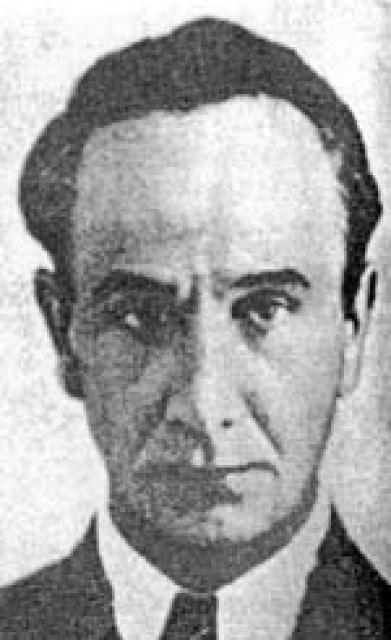
Albert Lapidus
- Albert Izrailevich Lapidus: Life and Legacy
- War and Occupation
- Internment in the Minsk Ghetto
- The Pogrom of October 1941
- Resistance and Liberation
- Post-War Life
Albert Izrailevich Lapidus: Life and Legacy
Early Life and FamilyAlbert Izrailevich Lapidus was born in Minsk, Belarus, in the pre-war era. His fond memories of his grandmother, Manya, who despite her physical limitations and religious observances, created a warm and welcoming home for her family and neighbors. His grandfather, Abram, a former carpenter, had been a victim of chemical warfare during the First World War, leaving him with disabilities. Lapidus cherished his large extended family, including his aunts, uncles, and cousins.
War and Occupation
With the outbreak of World War II, life in Minsk turned into a nightmare. The city was heavily bombed, and the family was forced to flee. Amidst the chaos, they made the difficult decision to remain in Minsk with their ailing grandparents. The German occupation brought with it horrors unimaginable. Lapidus recalled the sudden and ruthless anti-Semitism, as well as the constant fear of being shot for simply being Jewish.
Internment in the Minsk Ghetto
In July 1941, the Jewish population of Minsk was ordered to relocate to a designated ghetto. Lapidus and his family were confined to a small and crowded room, enduring severe hunger, disease, and psychological torment. Yet, amidst their suffering, a glimmer of hope emerged when Lapidus's grandmother miraculously regained her mobility from a severe arthritic condition.
The Pogrom of October 1941
On October 20, 1941, a horrific pogrom took place in the Minsk ghetto, claiming thousands of lives. Among the victims was Lapidus's grandmother. The pogrom shattered the illusion that the Jewish population would be spared if they obeyed the Nazis' orders.
Resistance and Liberation
Despite the overwhelming odds, pockets of resistance emerged within the ghetto. Lapidus recalled the courage and ingenuity of individuals who risked their lives to smuggle food and supplies to those in need. In November 1941, the Minsk partisans staged an uprising in an attempt to break out of the ghetto. Although the uprising was ultimately unsuccessful, it demonstrated the indomitable spirit of the Jewish resistance.
Post-War Life
After the liberation of Minsk, Lapidus and his family returned to their home. However, the horrors they had witnessed left an indelible mark on their lives. Lapidus subsequently emigrated to the United States, where he became an electrical engineer and worked tirelessly to share his experiences as a Holocaust survivor. Throughout his life, he remained committed to promoting tolerance and understanding, ensuring that the memory of the Holocaust would never be forgotten.


