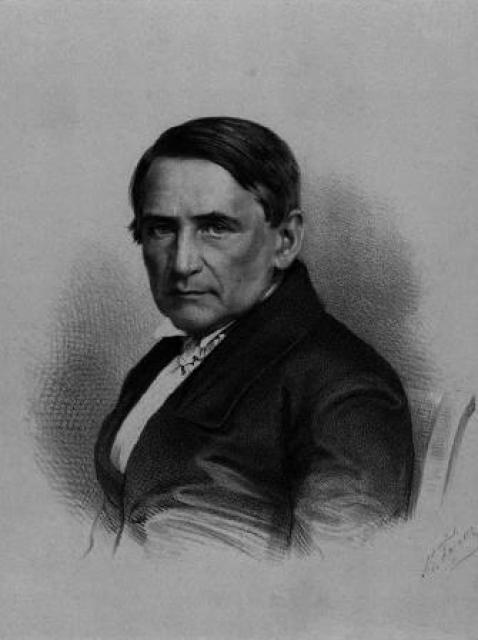
Aleksander Groza
 Poland
- Aleksander Groza: Polish Romantic Poet and Humanitarian
- Literary Debut and "Starosta Kaniowski"
- Literary Success and Later Years
- Literary Legacy
- Humanitarian Activities
- Forgotten Ukrainian Writer
Aleksander Groza: Polish Romantic Poet and Humanitarian
Early Life and EducationAleksander Groza was born into an affluent aristocratic family in the Volhynian region of Poland. His father was a prominent landowner, and his brother, Sylvester Wenzyk, was a renowned writer. Groza received a comprehensive education, first at the Medical Faculty of Vilnius University and later at the University of Dorpat.
Literary Debut and "Starosta Kaniowski"
Groza made his literary debut in 1831 with contributions to the Vilnius almanac "Noworocznik litewski na rok 1831." His most famous work, the narrative poem "Starosta Kaniowski," was published in 1836. This epic tale chronicled the adventures of Mikołaj Potocki.
Literary Success and Later Years
During the 1840s, Groza lived on his estate in Ukraine, devoting himself to writing. In 1850, he relocated to Berdychiv and subsequently to Zhytomyr, where he dedicated his life to charitable endeavors and publishing affordable educational and literary works for the underprivileged.
Literary Legacy
Groza is predominantly known for his poetic contributions to the "Ukrainian school" of Polish literature. While his early poetry received accolades, his later works were less recognized. Nonetheless, he remains an important figure in Polish romanticism.
Humanitarian Activities
Beyond his literary pursuits, Groza was deeply involved in charitable work. He promoted folk art and supported various philanthropic projects. His humanitarian efforts earned him widespread respect and recognition.
Forgotten Ukrainian Writer
Despite his initial literary acclaim, Groza's reputation has diminished over time. He is now considered an obscure Ukrainian-Polish writer, overshadowed by the more prominent figures of his era. Nevertheless, his literary and social contributions continue to resonate within the Polish and Ukrainian literary landscapes.