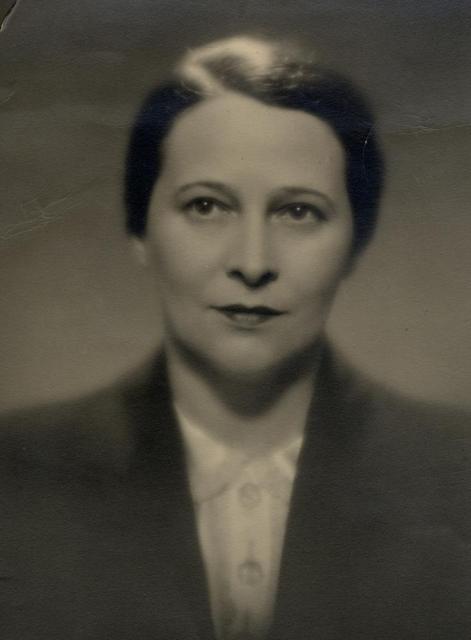
Aleksandra Belcova
- A Trailblazing Artist: Alexandra Belcova
- Early Life and Education
- Arrival in Latvia and Artistic Collaborations
- Personal Life and Artistic Partnerships
- Exhibitions and Recognition
- Artistic Style and Techniques
- The Baltaars Workshop and Later Years
- Legacy and Remembrance
A Trailblazing Artist: Alexandra Belcova
Alexandra Mitrofanovna Belcova, a Latvian-Soviet artist, emerged as a prominent figure in both the Latvian and Soviet art scenes. Her exceptional talent and unwavering spirit propelled her through a remarkable journey.
Early Life and Education
Born into a peasant family in the small town of Surazh, Chernigov Governorate, on March 17, 1892, Belcova's father, Mitrofan Beltsov, earned a noble title for his contributions. Belcova's family background would later influence her sense of artistic expression. In 1912, she enrolled in the Penza Art School, where she honed her skills for five years. Additionally, she attended classes in Nathan Altman's studio in Petrograd from 1918 to 1919, broadening her artistic perspectives.
Arrival in Latvia and Artistic Collaborations
Upon the invitation of her future husband, Roman Suta, Belcova arrived in Latvia in 1919. The thriving art scene in Riga attracted her, and she quickly became a member of the "Riga Artists' Group," where she exhibited her works alongside other notable Latvian artists. She also participated in the "Green Crow" group exhibitions from 1927 to 1931, showcasing her unique artistic vision.
Personal Life and Artistic Partnerships
In her personal life, Belcova married Roman Suta, a fellow artist, and gave birth to a daughter, Tatyana, who became an art historian. Her granddaughter, Inga Suta, is a renowned musician. Belcova's close relationships with her family often inspired her artistic creations, reflecting the interplay between her personal and professional worlds.
Exhibitions and Recognition
Belcova's artistic talents gained wide recognition through numerous solo and group exhibitions. Her first solo exhibition took place in Riga in 1928, followed by several others in various cities, including Leningrad, Tukums, and Liepaja. These exhibitions showcased her remarkable works, including "White and Black" (1925), "Portrait of Austra Ozoliņa-Krause" (1927), and "Tennis Player" (1928).
Artistic Style and Techniques
Belcova primarily worked in oil, pastel, and watercolor, with a focus on portraits and still lifes. Her depictions of women exuded a sense of strength and beauty, while her still lifes captured the essence of everyday objects with an extraordinary level of detail. Her use of bold colors and expressive brushstrokes conveyed her unique artistic style.
The Baltaars Workshop and Later Years
Belcova and Suta collaborated closely, contributing to the Baltaars porcelain painting workshop from 1924 to 1929. They brought their artistic sensibilities to the delicate medium, creating exquisite works of art on porcelain. In 1945, Belcova became a member of the Union of Artists. Her legacy continued to be celebrated through retrospective exhibitions held in her honor.
Legacy and Remembrance
Alexandra Belcova's exceptional artistry and unwavering determination left an indelible mark on the Latvian and Soviet art scenes. Her works continue to inspire and captivate art enthusiasts worldwide. In 2008, a museum dedicated to Belcova and Suta's artistic creations opened in Riga, showcasing their extraordinary contributions to art history.




