Alexander Vinson
 USA
USA- Alexander Wilson's Fight Against Brain Cancer
- Parents Turn to Crowdfunding
- NHS Defends Decision
- Atypical Teratoid Rhabdoid Tumor (AT/RT)
- Symptoms of AT/RT
- Conclusion
Alexander Wilson's Fight Against Brain Cancer
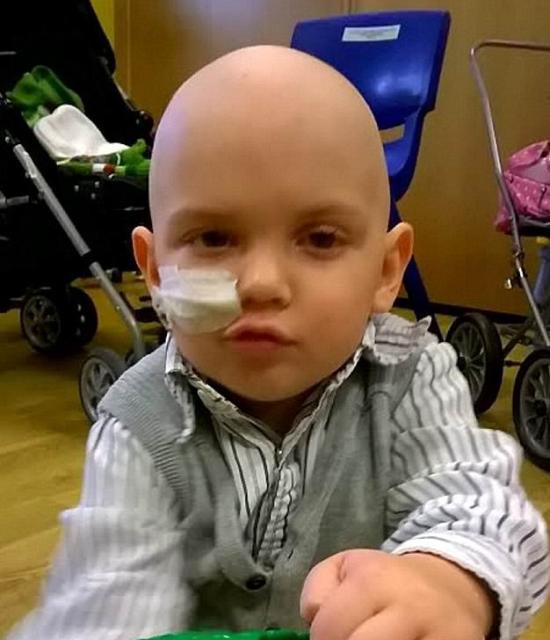
NHS Denies Funding for Proton TherapyIn July 2015, two-year-old Alexander Wilson was diagnosed with an aggressive brain tumor known as atypical teratoid rhabdoid tumor (AT/RT). His parents, Raluca and Phil, were advised by doctors that proton therapy, a specialized radiation treatment, offered the best chance of recovery. However, the National Health Service (NHS) denied funding for the procedure, claiming that it was not recommended for AT/RT and that it was not suitable for a child of Alexander's age.

Parents Turn to Crowdfunding
Undeterred, Alexander's parents launched a crowdfunding campaign to raise £150,000 for treatment in the United States. They argued that the NHS was failing to consider their son's individual needs and that proton therapy was their only hope for a better outcome.

NHS Defends Decision
In response, the NHS stated that proton therapy was not a standard treatment for AT/RT and that there was no clinical evidence to support its use in Alexander's case. They emphasized the need to balance the family's wishes with the practical limitations of medical decision-making.
Atypical Teratoid Rhabdoid Tumor (AT/RT)
AT/RT is a rare, fast-growing cancer that typically occurs in children under the age of three. It most commonly affects the cerebellum and brainstem, which control vital functions such as movement, breathing, and heart rate.
Symptoms of AT/RT
Symptoms of AT/RT can develop rapidly and include:Headaches, particularly in the morning or after vomiting
Nausea and vomiting
Drowsiness or changes in activity level
Loss of balance, poor coordination, or difficulty walking
Enlarged head size in infants
Diagnosis and Treatment
AT/RT is diagnosed through medical imaging tests and biopsy. Treatment typically involves surgery, chemotherapy, and radiation therapy. The prognosis for AT/RT is variable, with some children surviving and others facing a shorter life expectancy.
Conclusion
Alexander Wilson's case highlights the challenges faced by families with rare and aggressive childhood cancers. While the NHS has a duty to provide evidence-based healthcare, parents often feel the need to explore all possible treatment options. Crowdfunding campaigns have emerged as a crucial tool for families seeking funding for experimental or non-standard treatments. However, it remains essential for medical decisions to be based on sound scientific evidence and a careful consideration of the individual needs of each patient.