Alexandr Snetkov
 Russia
- Alexander Snetkov: The "Father" of St. Petersburg Special Forces
- Leading the "Zaschita" Association
- The Need for Militsiya Special Forces
- The Tasks of the Operational Response Group
- Tragedies and Anecdotes
- Challenges Faced by Special Forces
- Honoring Special Forces
Alexander Snetkov: The "Father" of St. Petersburg Special Forces
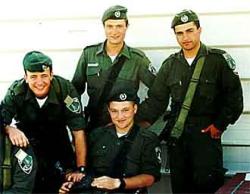
Alexander Vladimirovich Snetkov, also known as "Batya" among St. Petersburg special forces, is a renowned figure in the world of law enforcement and security. With a career spanning over 12 years in the operational unit of the militia's rapid response division, Snetkov played a crucial role in the creation of the "militsiya special forces," which served as a prototype for the modern OMON (special purpose police unit). He was also instrumental in the establishment of private security businesses in St. Petersburg.
Leading the "Zaschita" Association
Today, Alexander Snetkov is the head of the "Zaschita" Association - an interregional non-profit partnership focused on security activities. In 2004, representatives of various special forces units in Russia came together in St. Petersburg to establish a memorial for special forces fighters. This initiative led to the formation of the public organization "Spetsnaz - Memory and Glory," with Snetkov elected as its leader.
The Need for Militsiya Special Forces
Snetkov explains that the decision to create the militsiya special forces in the relatively calm 1980s was driven by the need for professionals with excellent physical and moral training who could handle extreme situations. At that time, there was a lack of highly skilled law enforcement officers in St. Petersburg. While individual rapid response groups existed, they often had to rely on military assistance during emergencies. Snetkov and others recognized the importance of establishing a dedicated militsiya special unit to handle hostage situations professionally and efficiently.
The Tasks of the Operational Response Group
As part of the operational response unit, Snetkov and his team were responsible for tasks similar to modern SOBR (Special Rapid Response Unit) and "Grad" groups. They participated in hostage rescue operations and apprehension of dangerous criminals. The professionalism and strong spirit of the team members were driven by a sense of duty rather than monetary compensation.
Tragedies and Anecdotes
Snetkov recalls the tragic operation to rescue hostages held by the Ovechkin family as one of the most distressing experiences. It highlighted the consequences of deploying unprepared personnel and the lack of proper equipment. However, there were also lighter moments during their service. He shares an anecdote about a mission to apprehend individuals who had fired shots at a refrigerated truck. The team managed to capture the suspects, who were dressed in German World War II uniforms, by disguising themselves in the seized uniforms. This anecdote demonstrates the resourcefulness and determination of the team.
Challenges Faced by Special Forces
Snetkov acknowledges that the relationship between special forces units, such as OMON, and the public has been strained. He believes that the government plays a significant role in shaping this relationship. Special forces are instruments of the state, and the government needs to provide clearer directives rather than viewing them solely as enforcers. Additionally, the lack of support and uncertainty regarding personal safety contribute to the harsh attitudes displayed by some special forces personnel. Snetkov emphasizes the importance of recognizing the humanity and personal aspirations of these individuals, who are tasked with protecting others.
Honoring Special Forces
Snetkov's involvement in the "Spetsnaz - Memory and Glory" project, aimed at erecting a monument to special forces fighters, reflects his commitment to honoring their service. He believes that it is crucial to have a dedicated space where current and former special forces personnel can gather, shake hands, lay flowers on the graves of fallen comrades scattered across the country, and celebrate the safe return of those who have completed their service without harm.