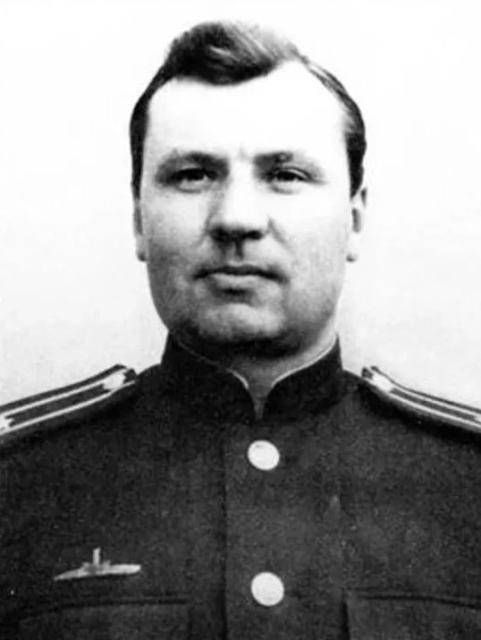
Alexey Dubivko
 Ukraine
- Early Life and Naval Education
- Submarine Command and the Caribbean Crisis
- Confrontation and Escape
- Continued Naval Service
- Later Career and Recognition
- Personal Life
Early Life and Naval Education
Alexey Dubivko: Soviet Submarine OfficerBorn on March 14, 1927, in Tsybulevo, Ukraine, Alexey Fedorovich Dubivko embarked on a distinguished naval career. He completed eight years of schooling before joining the Vladivostok Naval Preparatory School, graduating in 1945.
Dubivko participated in the Soviet War against Japan and was awarded the Medal "For Battle Merit." In 1949, he graduated from the Pacific Higher Naval School named after S.O. Makarov, specializing in navigation.
Submarine Command and the Caribbean Crisis
Operation "Kama" and Stealthy DeploymentIn 1953, then-Senior Lieutenant Dubivko assumed command of the diesel-powered submarine Shch-135. In 1958, he was appointed commander of the newly constructed B-36 submarine, part of Project 641.
In September 1962, the 4th Red Banner Order of Ushakov Submarine Squadron prepared for Operation "Kama." Four diesel-powered torpedo submarines, including the B-36, were to be secretly deployed to Cuba, armed with nuclear-tipped torpedoes. Dubivko led the B-36 towards the Cuban port of Mariel.
Confrontation and Escape
However, due to changing political circumstances, the mission was altered, and the submarines engaged in covert patrols in the Caribbean Sea, surrounded by American anti-submarine ships. The B-36's batteries depleted, forcing it to surface near the destroyer USS Charles B. Cecil.
Dubivko used the opportunity to ventilate the compartments, repair damaged equipment, and recharge the batteries. He then ordered an emergency dive, submerging beneath one of the destroyers and escaping the anti-submarine forces. The B-36 continued its patrol at its assigned position.
Continued Naval Service
Cold War OperationsFrom 1962 to 1967, Dubivko commanded the nuclear-powered submarine K-40 (Project 658). In 1964, the crew of the K-40 made history as the first Soviet nuclear-powered ballistic missile submarine to conduct a combat patrol.
Later Career and Recognition
Dubivko graduated from the Naval Academy, served in the operational department of the Naval General Staff, and headed the combat duty team of the Air Command Post of the Naval General Command. In 2002, he was awarded the Certificate of Honor of the Federation Council of the Federal Assembly of the Russian Federation for his contributions to national security and heroism during the Cold War crisis with the United States.



