
Alice Cooper
 USA
USA- Alice Cooper: The Father of Shock Rock
- The Birth of Alice Cooper
- The Rise of Alice Cooper
- The Success of Alice Cooper
- The Solo Career and Legacy
Alice Cooper: The Father of Shock Rock
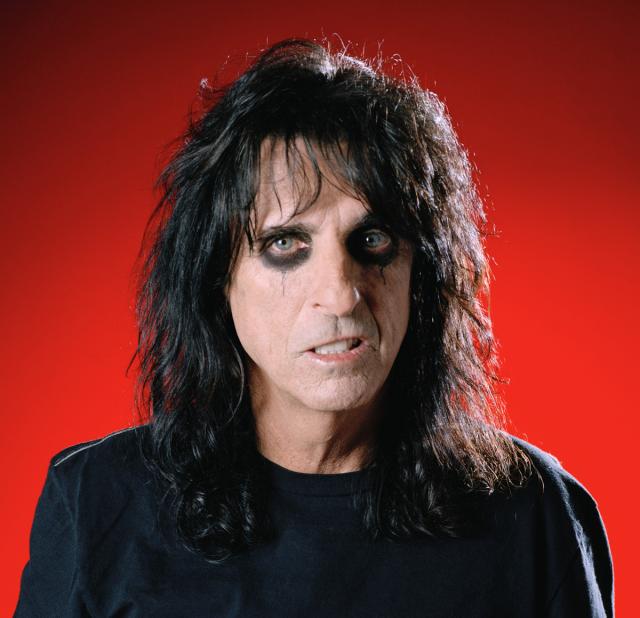
If you take a look at the modern rock scene, filled with artists who are more concerned with creating terrifying makeup and expensive sadomasochistic costumes, and leaving the world with a dramatic exit while naive teenage girls scream, you will immediately be transported back thirty years to the time when the king of horror, Alice Cooper, was performing on stage. Alice Cooper, whose real name is Vincent Damon Furnier, was born on February 4, 1948, in Detroit, Michigan, into a preacher's family. He later moved to Phoenix, Arizona, where he attended school and formed his first band, Earwigs, with like-minded musicians.

The Birth of Alice Cooper
As a young rock 'n' roll enthusiast, Cooper was inspired by the fame of bands like The Beatles and The Rolling Stones, and his minimum goal was to become equally famous. The band went through several name changes, eventually settling on Alice Cooper, with Cooper himself adopting the persona of an androgynous character in grotesque clothing. The band played abrasive rock, which required a lot of courage from their listeners who risked attending their concerts. Their theatrical shows, filled with aggressive and wild heavy metal, were designed to shock and disgust. Cooper and his band drew inspiration from horror movies, vaudeville shows, and the heavy rock stylings of Black Sabbath and Led Zeppelin.
The Rise of Alice Cooper
In 1969, after moving to Los Angeles, Alice Cooper and his band caught the attention of Frank Zappa, who signed them to his new label, Straight Records. They released their first album, "Pretties for You," in the same year, followed by their second album, "Easy Action," in 1970. However, these albums went unnoticed, and their breakthrough into the show business did not happen as expected. The band decided to return to Detroit, where they used the local club scene to refine their stage experiments on the audience. Finally, in late 1970, they managed to attract the attention of Warner Brothers Records.

The Success of Alice Cooper
In 1971, Alice Cooper's single, "Eighteen," became his first hit, reaching number 21 on the charts. Their third album, "Love It to Death," released in the same year, became a breakthrough for the band. Produced by Bob Ezrin, the album was a mix of aggressive hard rock and provocative lyrics, earning the band a loyal following. Their subsequent albums, such as "Killer" (1971), "School's Out" (1972), and "Billion Dollar Babies" (1973), solidified Alice Cooper's success. The band's theatrical stage shows, featuring guillotines, electric chairs, and fake blood, became their trademark.

The Solo Career and Legacy
In 1975, after the band's breakup, Alice Cooper embarked on a successful solo career, releasing albums like "Welcome to My Nightmare" (1975) and "Trash" (1989). Despite facing some commercial and critical setbacks in the 1980s, Cooper remained a respected figure in the music industry. His albums, such as "Hey Stoopid" (1991) and "The Last Temptation" (1994), showcased his evolution as a musician and his ability to adapt to changing musical landscapes. Cooper continued to tour and release new music, maintaining his status as the father of shock rock.

In the 2000s and beyond, Alice Cooper's influence and legacy continued to grow. He was inducted into the Rock and Roll Hall of Fame in 2011 and received a Grammy nomination for his collaboration with Rob Zombie on the song "Hands of Death (Burn Baby Burn)." Cooper's theatrical and shocking stage performances have inspired countless artists and continue to captivate audiences worldwide.


