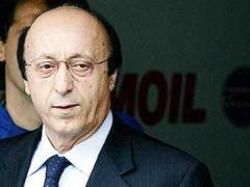
Allan Clarke
 Great Britain
- Biography of Allan Clarke
- Early Career
- Rise to Stardom
- Leeds United Era
- International Career
- Managerial Career
- Current Life
Biography of Allan Clarke
Allan George Clarke was born on July 31, 1946, in England. He is one of the most famous English forwards in football history. In the 1970s, he was the standout player for Leeds United.
Early Career
Clarke began his football journey from a very young age. At the age of 16, he made his debut for Fulham's team. From the very beginning, Clarke showed his talent and skill on the field. He quickly established himself as one of the top players in England.
Rise to Stardom
In 1968, Clarke was sold to Leicester City for a contract sum of £150,000. With this transfer, he was expected to perform at the highest professional level. Clarke played for Leicester City for one season, reaching the finals of the FA Cup in 1969, but unfortunately losing to Manchester City with a score of 1-0.
Leeds United Era
Just a week after the FA Cup defeat, Clarke was transferred to Leeds United for £165,000. It was at Leeds that Clarke truly flourished and became a leading footballer. In his first season with the team, he scored an impressive 26 goals. Known for his lightning speed and ruthlessness on the field, Clarke earned the nickname "Sniffer" throughout his career.
International Career
In 1970, Clarke was selected to play for the England national team, where he stayed until 1976. He played 19 games and scored 10 goals for his country.
Managerial Career
After retiring as a player, Clarke took on managerial roles. In 1978, he became the manager of Barnsley. In 1980, he took charge of Leeds United as their manager. He later worked as the head manager for Scunthorpe United from 1983 to 1984. In 1985, Clarke returned to Barnsley and managed the team once again. His final managerial position was with Lincoln City.
Current Life
Currently, Clarke is involved with a small amateur club and dedicates more time to himself and his loved ones. Despite his retirement, his legacy as a talented and influential footballer in both his playing and managerial career remains strong.