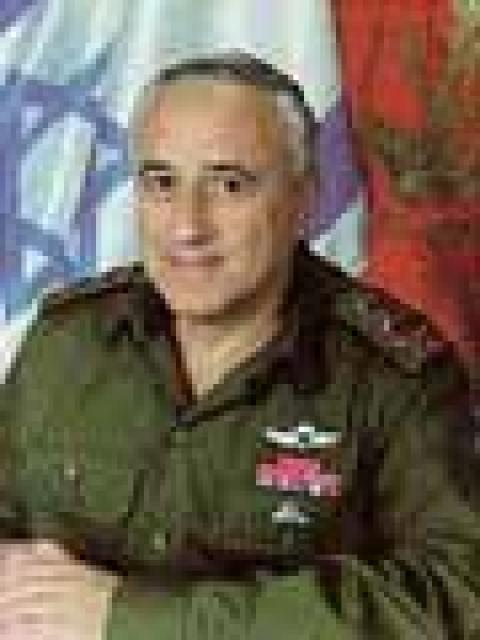
Amnon Lipkin-Shahak
 Israel
- Early Life and Military Career
- Ascension to Chief of Staff
- Tenure as Chief of Staff
- Military Strategy and Operations
- Motivation and Personnel Issues
- Post-Military Career
Early Life and Military Career
Amnon Lipkin-Shahak, born in 1944 in Tel Aviv, is a renowned Israeli military leader and politician. As a "Sabra" (native-born Israeli), he enlisted in the Israel Defense Forces (IDF) in 1962.
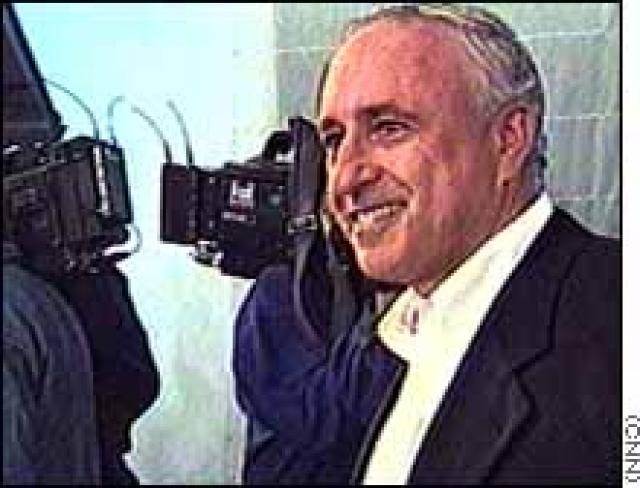
In the Six-Day War (June 1967), Lipkin-Shahak commanded an airborne platoon. During the Yom Kippur War (October 1973), he led a unit in the Sinai Peninsula. He also participated in Operation Litani in 1978, where IDF forces advanced 60 kilometers into Lebanese territory. In 1982, during the Israeli invasion of Lebanon (Operation Peace for Galilee), he served with special forces.
Ascension to Chief of Staff
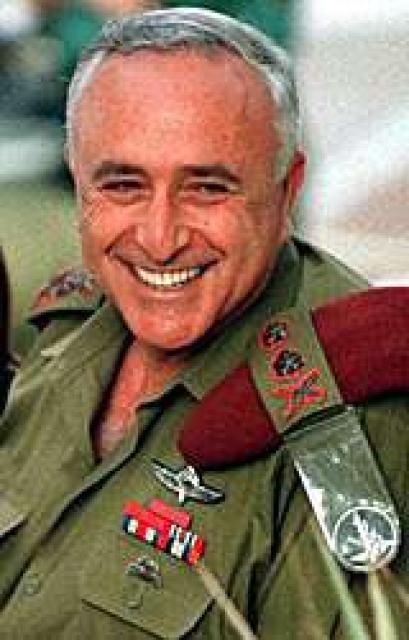
From 1983 to 1986, Lipkin-Shahak served as Commander of the Central Military Command. In 1986, he became the Head of Military Intelligence (AMAN). After serving as Deputy Chief of Staff from 1991 to 1995, he was appointed Chief of General Staff.
Tenure as Chief of Staff
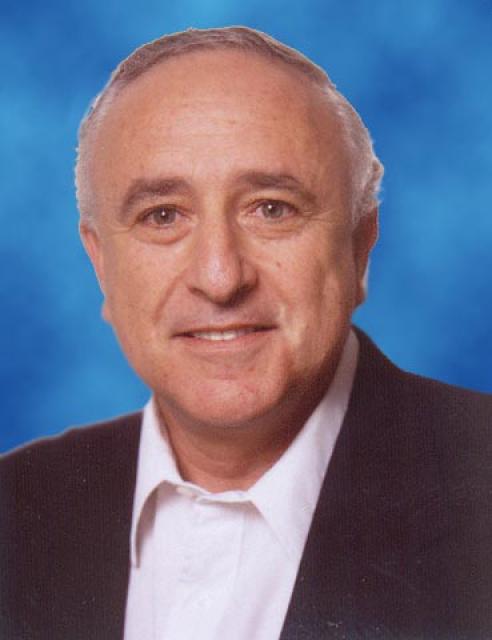
Lipkin-Shahak focused on enhancing "motivation" (instilling a sense of purpose in service) among conscripts and reservists. He initiated outreach programs to motivate high school students and increased the number of recruits to combat units. Additionally, he prohibited hazing and abuse within the military.
Regarding appointments, Lipkin-Shahak attempted to rejuvenate the top command but faced resistance from the Defense Minister, resulting in tension.
Military Strategy and Operations
Lipkin-Shahak maintained a practical approach to military organization, focusing on readiness rather than downsizing. However, he invested heavily in protective armor for vehicles and outposts, significantly reducing casualties.
He established the "Egoz" unit, tasked with neutralizing terrorist infiltrations, reducing the number of explosives-related incidents. He proposed Operation "Grapes of Wrath" in 1996, aiming to deter Hezbollah attacks, although the operation faced controversy due to civilian casualties.
Amidst military tensions with Syria in 1996, Lipkin-Shahak analyzed intelligence reports and advised against military confrontation, a decision credited with preventing escalation.
Motivation and Personnel Issues
Lipkin-Shahak placed a high value on troop welfare, emphasizing accountability and reducing disciplinary incidents. He investigated accidents and tragedies with empathy and compassion.
Post-Military Career
After retiring from the military in 1998, Lipkin-Shahak entered politics. He founded a centrist party and ran for the Knesset (Israeli parliament). He served as Minister of Tourism from 1999 to 2001.
Lipkin-Shahak remains an influential figure in Israeli politics and society, actively engaging in public discourse and advocating for peace and security.


