Amram Micna
 Israel
- Early Life and Military Career
- Academic Achievements
- Military Leadership
- Political Ambitions
- Leadership of the Labour Party
- 2003 General Election
- Resignation and Later Career
Early Life and Military Career
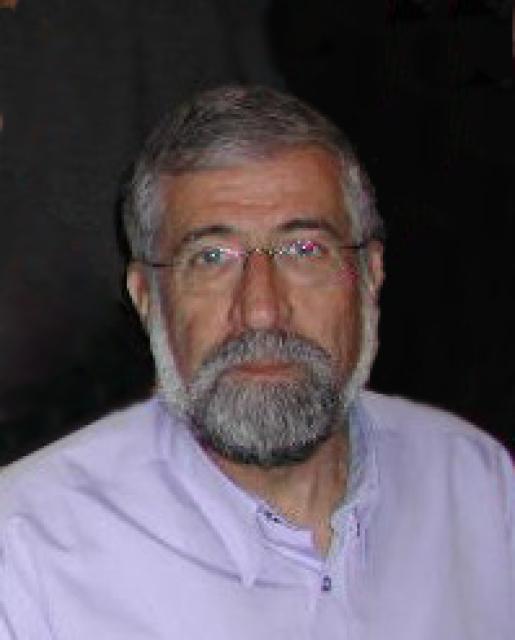
Amram Mitzna, an Israeli politician and military leader, was born in Kibbutz Dovrat to Russian immigrants. His family later moved to Kiryat Haim and then to Haifa, where he attended the Haifa Military Academy boarding school. In 1963, Mitzna enlisted in the Israel Defense Forces (IDF).
Academic Achievements
Throughout his military career, Mitzna pursued higher education. In 1977, he earned a bachelor's degree in geography, followed by a bachelor's in military studies from the United States Army War College in 1979. In 1989, he received a bachelor's in international relations from Harvard University and a master's in public administration from the University of Haifa in 1990.
Military Leadership
Mitzna rose through the ranks of the IDF, eventually becoming head of the Planning Directorate with the rank of general in 1990-93. His military experience played a significant role in his later political career.
Political Ambitions
Upon retiring from the IDF, Mitzna entered politics, running for mayor of Haifa against incumbent mayor Arie Gurel. He won the election and launched a major urban development campaign, appointing former military officers to key municipal positions.
Leadership of the Labour Party
In 2002, Mitzna ran for the leadership of the Labour Party and emerged victorious. His rapid ascent without prior membership in the Knesset or ministerial experience garnered attention and skepticism from within the party.
2003 General Election
In the 2003 parliamentary election, Mitzna campaigned on a platform of evacuating all Jewish settlements from the Gaza Strip. However, his low popularity and the unpopularity of his policies led to a poor showing for the party, which lost seven seats.
Resignation and Later Career
The party's electoral failure reflected negatively on Mitzna's leadership. Six months later, he resigned as party leader. Mitzna struggled to find his footing in the Knesset and accepted an offer in 2005 to become chairman of the local council for the small Negev town of Yerucham.