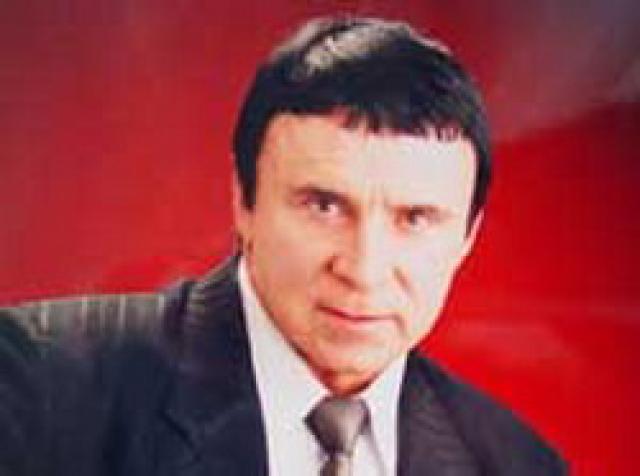
Anatoliy Kashpirovskiy
 Russia
Biography of Anatoly Kashpirovsky
Anatoly Kashpirovsky was a Soviet psychotherapist who was born on August 11, 1939. He gained fame through his televised therapeutic sessions, which attracted millions of viewers seeking relief from various ailments such as warts, ulcers, and alcoholism. Initially, those who claimed to be "healed" idolized Kashpirovsky, but over time, many of them became patients in psychiatric clinics. His popularity was later declared a manifestation of mass psychosis.

Kashpirovsky's success in influencing the minds and consciousness of people was attributed to his external appearance and professional expertise. His charismatic presence and ability to maintain the image of a hypnotist through his gaze, posture, gestures, tone of voice, and intonation contributed to his influence. Additionally, the majority of the population had little knowledge of psychotherapists' work, which made the tele-sessions appear as a "magical act," enhancing their effects. The behavior of some individuals in the audience, such as head rotation, hand waving, and slow, dance-like movements, also indirectly influenced the perception of the viewers, infecting them with similar emotions due to their unwavering faith in Kashpirovsky's abilities.

Kashpirovsky's method of influencing the audience was similar to the techniques used by two prominent psychologists, Krechmer and Erickson. This method involved creating a web of words and periodically inserting direct suggestions (inculcations). The suggestive phrases stood out against the "indifferent" stimuli, having a powerful effect on the listeners who felt actively involved in the healing process.

Critics of Anatoly Kashpirovsky highlighted the lack of direct communication between the viewers and the psychotherapist as a prominent objection. If someone experienced an immediate health issue during the tele-session, they would be unable to seek immediate qualified assistance. While this argument holds significance, according to the law of large numbers, a certain percentage of people would experience health issues regardless of the sessions due to predisposition or other stressors.

The opinions about Kashpirovsky's method varied greatly. Fierce advocates of his methods defended him vehemently, while those who experienced harm or believed it could harm others expressed opposition. Interestingly, Kashpirovsky's most dedicated followers, who accompanied him from city to city and defended him fiercely, did not experience complete physical or mental healing. This suggests that their loyalty was driven more by an irrational and unhealthy attraction to the next "miracle" rather than achieving actual health improvements.
Another objection to mass psychotherapy focused on the short-term nature of the health improvements achieved through the sessions. Individuals who tapped into their internal resources during the sessions depleted them quickly, potentially leading to a sharp decline in health. While this objection holds some merit, assuming that any procedure aimed at activating a person's potential could be harmful would lead to an absurd conclusion.
Furthermore, frequent use of suggestive techniques, particularly in a directive manner, can create a level of dependency on the therapist. This issue is particularly relevant in countries where individual freedom is highly valued. As a result, directive hypnosis techniques have taken a backseat in developed Western countries, with group psychotherapy, NLP, and psychoanalysis methods, focused on empowering individuals, gaining prominence. However, in the former USSR, where a command-administrative system of governance prevailed for decades, the hypnotic influence and suggestive methods were more readily accepted.
Kashpirovsky's sessions were often compared to the activities of other individuals, such as Alan Chumak, who claimed to charge water, creams, ointments, newspapers, and magazines with healing energy. In reality, it was the minds of the viewers that were "charged." Those who were highly suggestible and fervently believed in Chumak's effects experienced positive health changes due to the placebo effect. Conversely, those who opposed the sessions or Chumak himself, through self-suggestion, perceived harm from these sessions. In both cases, the mechanism of influence was within the individuals themselves, and their passionate debates only served to further promote Chumak.
The surge of witches, magicians, and psychics following Anatoly Kashpirovsky's appearances was essentially a distortion of the basic principles of scientific psychology and psychotherapy. It was founded on people's elementary illiteracy and their tendency to create another idol. It seems that the collective "slumber of reason" is still destined to be awakened by many.


