Anatoly Karpov
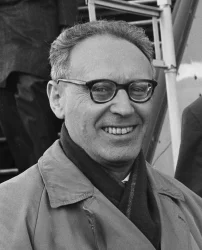
Anatoly Karpov is one of the most successful chess players of the modern era, admired for a style built on patience, precision and positional pressure. He became the 12th World Chess Champion in 1975 and held the classical title for a decade, then fought one of the sport’s defining rivalries against Garry Kasparov. His career continued through the divided world championship system of the 1990s and into public life.
A prodigy from the Urals
Karpov was born on May 23, 1951, in Zlatoust, in the Soviet Union. He learned chess as a child and developed quickly, entering the Soviet chess school system and earning the international master title while still a teenager. He became a grandmaster in 1970 and established himself among the world’s strongest players through major tournament victories and success in the Candidates cycle.
His playing style was often described as positional: rather than seek immediate fireworks, he aimed to improve his position, restrict an opponent’s options and turn small advantages into a win. The approach could look quiet on the surface, but it demanded deep calculation and relentless control.
World champion and a defining rivalry
In 1975, Karpov was due to challenge reigning champion Bobby Fischer. The match did not take place because Fischer refused to play under the agreed format. FIDE declared Karpov champion by forfeit. Karpov then built a formidable record in competition, defending the title against Viktor Korchnoi in 1978 and 1981.
His championship reign became inseparable from his rivalry with Kasparov. Their first match began in Moscow in 1984 and continued for months, producing 48 games before FIDE stopped it without declaring a winner. The rematch in 1985 went to Kasparov, who took the title. The two met in five world championship matches between 1984 and 1990, creating a prolonged contest that shaped an era of chess.
Karpov remained a top player after losing the crown. When Kasparov and challenger Nigel Short broke with FIDE in 1993 to establish a separate championship, Karpov played Jan Timman for FIDE’s title and won. He later retained the FIDE championship in 1996 and 1998, giving him three FIDE title wins in the 1990s.
Beyond the board
Across decades of play, Karpov amassed a remarkable list of tournament victories and represented the Soviet Union in several Chess Olympiads. His long competitive career showed that his strength was not confined to title matches: he remained a serious contender in elite events well beyond his years as classical champion.
Karpov also became active in public life and chess administration, including service in Russia’s State Duma and leadership roles in chess organizations. He has promoted chess education and supported youth programs, carrying the game’s profile beyond tournament halls.
His legacy rests both on results and on a distinctive way of playing. Karpov’s quiet accumulation of advantages made him a master of strategic pressure, while his battles with Kasparov gave chess one of its most compelling rivalries.