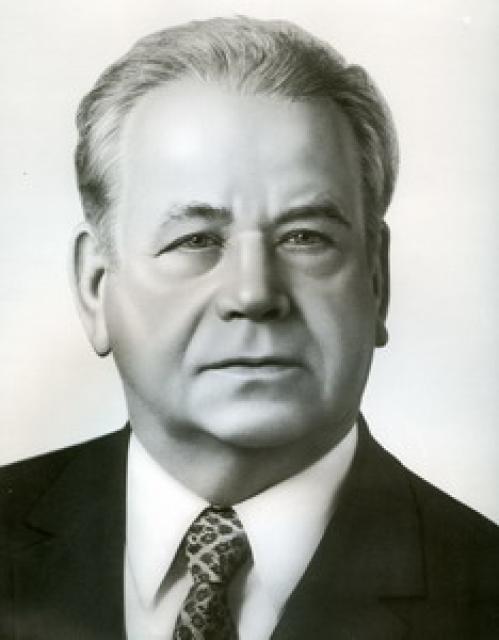
Andrey Kirilenko
- Early Life and Career
- Party Activism
- World War II
- Post-War Career
- Rise to Prominence
- Decline and Retirement
- Accolades and Legacy
Early Life and Career
Andrey Pavlovich Kirilenkowas born into a craftsman's family and completed his elementary education in 1920. In 1925, he graduated from the Alekseev Vocational School and began his working career as an electrical fitter.
Over the next several years, Kirilenko worked in various roles in Voronezh and the Donbas region. In 1936, he graduated from the Rybinsk Aviation Technological Institute and embarked on a career in engineering.
Party Activism
In 1938, Kirilenko joined the Communist Party and quickly rose through the ranks. He served as second secretary of the Voroshilov district party committee in Zaporizhzhia and later as secretary and second secretary of the Zaporizhzhia regional party committee.
World War II
During World War II, Kirilenko played a significant role in the war effort. He served as a member of the Military Council of the 18th Army and as a representative of the State Defense Committee on an aircraft factory in Moscow.
Post-War Career
After the war, Kirilenko continued his political career, serving as second secretary of the Zaporizhzhia regional and city party committees. In 1947, he was appointed first secretary of the Nikolaev regional party committee. From 1950 to 1962, he held the same position in the Dnipropetrovsk and Sverdlovsk regions.
Rise to Prominence
In 1962, Kirilenko was appointed First Deputy Chairman of the Bureau of the Central Committee of the Communist Party of the Russian Soviet Federative Socialist Republic (RSFSR). He played a key role in suppressing the Novocherkassk uprising in 1962.
In 1966, Kirilenko was promoted to Secretary of the Central Committee of the CPSU, where he oversaw industrial affairs. He was considered one of the most important figures in the party and often presided over meetings of the Secretariat in the absence of Mikhail Suslov.
Decline and Retirement
By 1982, Kirilenko had become increasingly isolated and senile. He was retired in November 1982 and died in Moscow in 1985. He was buried at the Troyekurovskoye Cemetery.
Accolades and Legacy
Kirilenko received numerous awards throughout his career, including two Hero of Socialist Labor awards and six Orders of Lenin. He was a controversial figure, known for his hardline stance and authoritarian leadership style.