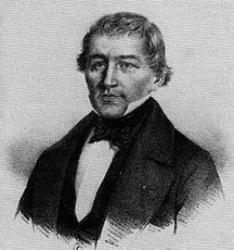
Andrey Kofod
 Denmark
- Early Life and Education
- Career in Russia
- Agrarian Expertise
- Contribution to Stolypin Reforms
- Member of Land Development Committee
- International Work
- Later Career in Denmark
- Legacy and Impact
Early Life and Education
Alexander Alexandrovich Kofod was born into a family of Russian and Danish descent. His father was a pharmacist. Kofod studied at the Royal Veterinary and Agricultural Academy in Copenhagen, graduating in 1875.
Career in Russia
In 1878, Kofod relocated to Russia. From 1880 to 1886, he served as estate manager in Kaluga Governorate. He subsequently worked as an appraiser for various banks, including the Dvoryansky Land Bank in Samara and Tiflis. In 1892, he became a Russian citizen.
Agrarian Expertise
Kofod developed expertise in land surveying and rural development. He published numerous articles on the agrarian question in Belarus, which he summarized in his 1902 monograph, "Peasant Farms on Allotted Land." His research influenced the methodology of land reform commissions established in 1906.
Contribution to Stolypin Reforms
In 1905, Kofod became an advisor to the Ministry of Internal Affairs on land surveying and land reform. He played a key role in drafting and promoting the Stolypin agrarian reforms. His booklet, "Homestead Settlement," outlined the government's plans for rural modernization.
Member of Land Development Committee
From 1908, Kofod served as an inspector and later a member of the Land Development Committee. He supervised land reform projects across Russia. His 1914 book, "Russian Land Reform," provided an overview of the reforms' progress.
International Work
During World War I, Kofod studied agriculture in Galicia. After the Russian Revolution, he entered diplomatic and humanitarian service. He assisted Austro-Hungarian prisoners of war through the Danish Red Cross and traveled to Siberia and the Baltic states.
Later Career in Denmark
Kofod served as an agricultural attaché in Danish embassies from 1921 to 1931. He conducted research on land surveying in Western Europe and Eastern Europe. His work caught the attention of the German Ministry of Agriculture, which published his research in 1937.
Legacy and Impact
Kofod's contributions to land reform in Russia and his expertise in rural development had a significant impact on the development of agriculture in Eastern Europe. His research and advocacy helped shape land policies in Russia and influenced the study of land use in other countries.