Anna Tereshkova
 Ukraine
- Anna Tereshkova: A Pioneer in Siberian Art and Culture
- Early Life and Education
- Career Beginnings
- "Stary Gorod" Art Gallery
- Siberian Center for Contemporary Art
- Involvement with Mikhail Prokhorov
- Public Council of the Russian Ministry of Culture
- Novosibirsk City Hall
- "Rodina" Exhibition
- Conflict with Vladimir Kekhman
Anna Tereshkova: A Pioneer in Siberian Art and Culture
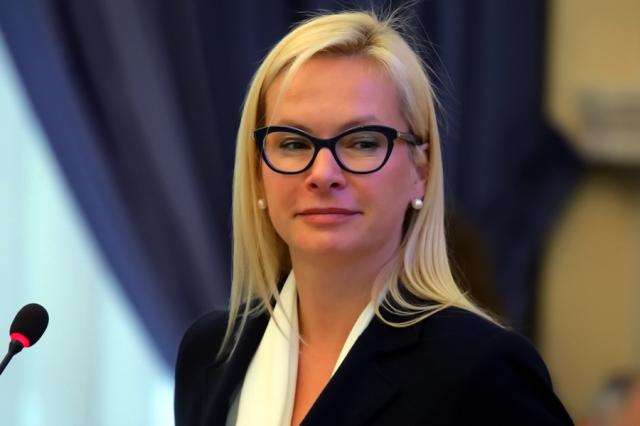
Anna Tereshkova, a prominent public and political figure, has made significant contributions to the cultural landscape of Novosibirsk and beyond.
Early Life and Education
Anna Tereshkova was born on August 22, 1969, in Novosibirsk. Her father was a geophysicist, and her mother was a physician. She graduated from Novosibirsk State Medical University with a degree in pediatrics. Anna also studied English philology at Siberian Independent University.
Career Beginnings
In the early stages of her career, Anna worked as a translator at the Siberian Contract Corporation and as a manager for the company "Voskhod-Baker."
"Stary Gorod" Art Gallery
In 2001, Anna became the director of the "Stary Gorod" art gallery, a position she held for ten years. The gallery exhibited works by renowned Siberian artists and held the exclusive rights to sell paintings from the family collection of Nikolai Gritsyuk.
Siberian Center for Contemporary Art
In 2010, Anna and her husband, Dmitry Tereshkov, founded the Siberian Center for Contemporary Art. The center was initially located in the Novosibirsk Museum of Local Lore but later relocated to Tomsk due to a contract termination by the museum. Anna convinced the Russian Minister of Culture, Vladimir Medinsky, to support the return of the Center to Novosibirsk, and it was planned to establish it in the Garrison House of Officers. However, conservative groups opposed the move, accusing Tereshkova of organizing "provocative and immoral" exhibitions.
Involvement with Mikhail Prokhorov
In 2011, Anna became the head of the Novosibirsk branch of the "Right Cause" party but resigned shortly after due to party divisions. She joined Mikhail Prokhorov's presidential campaign and became the head of the candidate's Novosibirsk headquarters. In 2012, Anna joined the federal political committee of Prokhorov's party, "Civil Platform." She left the party in 2015 after Prokhorov resigned.
Public Council of the Russian Ministry of Culture
In 2012, Anna was appointed to the Public Council of the Russian Ministry of Culture, becoming the only representative from the Ural, Siberian, and Far Eastern regions.
Novosibirsk City Hall
In 2014, Anna became the head of the Department of Culture, Sports, and Youth Policy in the Novosibirsk City Hall.
"Rodina" Exhibition
In 2012, Anna organized the art exhibition "Rodina," which was planned to be held at the Novosibirsk Museum of Local Lore but was banned by the regional governor. The exhibition was later moved to the former Novosibirsk-Severny airport building, but the owner terminated the lease contract. Anna then invited the public to visit the exhibition free of charge during its dismantling. The exhibition sparked controversy and faced opposition from conservative groups and politicians.
Conflict with Vladimir Kekhman
Anna's tenure as head of the Department of Culture was marked by conflicts with Vladimir Kekhman, the director of the Novosibirsk Opera and Ballet Theatre. Kekhman accused Anna and her husband of inappropriate behavior and political affiliations. Anna responded by defending her actions and criticizing Kekhman's interference in city affairs.