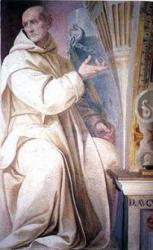
Anthim Iberian
 Georgia
- Metropolitan of Ungro-Wallachia and Hieromartyr
- Liberation and Pilgrimage
- Arrival in Wallachia
- Ecclesiastical Career
- Architectural Legacy
- Conflict and Exile
- Martyrdom
- Legacy
Metropolitan of Ungro-Wallachia and Hieromartyr
Birth and Early LifeAnthimus Iverian, born in 1650 in Samtskhe, Southern Georgia, was a man of exceptional talents. His journey with Prince Archil to Russia facilitated the establishment of a Georgian printing house. Upon their return, Anthimus was captured by Dagestan bandits and sold into slavery.
Liberation and Pilgrimage
Jerusalem Patriarch Dosiфей II ransomed Anthimus and kept him under his patronage. While in Jerusalem, Anthimus honed his skills in painting, engraving, and calligraphy. Around 1690, he accepted the invitation of Prince Constantine Brâncoveanu to visit Wallachia.
Arrival in Wallachia
Upon arriving in Wallachia, Anthimus established a printing press and transformed the region into an Orthodox literary hub. He translated the Gospel into Romanian and played a pivotal role in the incorporation of the Romanian language into religious services.
Ecclesiastical Career
In 1694, Anthimus was appointed abbot of Snagov Monastery, where he founded another printing press. He was consecrated as Bishop of Râmnic in 1705 and in 1708 elevated to Metropolitan of Ungro-Wallachia.
Architectural Legacy
Under Anthimus' guidance, over twenty churches and monasteries were built in Wallachia. Notably, he constructed the All Saints Monastery in Bucharest, which bears his name. The handcrafted oak gates and intricate Georgian carvings on stone were testaments to his artistic prowess.
Conflict and Exile
After the execution of Prince Brâncoveanu in 1714 and the subsequent ouster of Voivode Nicolae Mavrocordat, Anthimus rallied his support for the liberation of Wallachia. Mavrocordat demanded Anthimus' resignation, leading to a trial in Constantinople. Despite his unwavering stance, he was excommunicated and exiled to St. Catherine's Monastery on Mount Sinai.
Martyrdom
In 1716, Anthimus was treacherously arrested and killed by Turkish soldiers on the banks of the Dulcia River, near Gallipoli. His remains were thrown into the river.
Legacy
Saint Anthimus Iverian is revered as a martyr by the Romanian Church, which celebrates his feast day on September 14. The Georgian Church commemorates him on June 13. Anthimus' multifaceted talents and unwavering faith made him a luminary of his time, leaving an enduring legacy in art, literature, and Romanian Orthodox history.